2026 Top Makeup Brushes Beginners Need for a Complete Kit?

Time:2026-10-19 Author:Ethan
0%

Building a complete brush kit can feel confusing, especially when stores display dozens of shapes, fibers, and price points. This guide answers “what makeup brushes do beginners need” for a practical 2026 starter collection. The aim is not to buy every brush. It is to create a small, washable toolkit that handles foundation, concealer, powder, blush, bronzer, eyeshadow, and brows.

Industry data supports a more thoughtful approach. Circana’s 2024 U.S. Prestige Beauty report showed makeup sales continued to grow, while consumers increasingly balanced performance with value. NIQ’s State of Beauty 2024 report also highlighted shoppers’ demand for effective products and clearer purchasing decisions. These findings suggest that beginners need versatile tools, not oversized collections. A dense synthetic brush can spread liquid foundation evenly across the cheeks. A smaller tapered brush can soften concealer beside the nose. A fluffy blending brush should move through the crease without scratching the skin.

Makeup artist Rae Morris describes a brush as “an extension of your hand.” That idea matters here. Technique still matters more than branding. The wrong brush can waste product. A damp sponge may even suit some users better. I have occasionally overestimated how many brushes a beginner needs; a seven-piece kit may be enough for daily makeup. This outline will compare essential brush types, useful upgrades, fiber choices, cleaning habits, and realistic buying priorities for 2026. Expect a few compromises. A perfect kit does not exist. A usable one does.
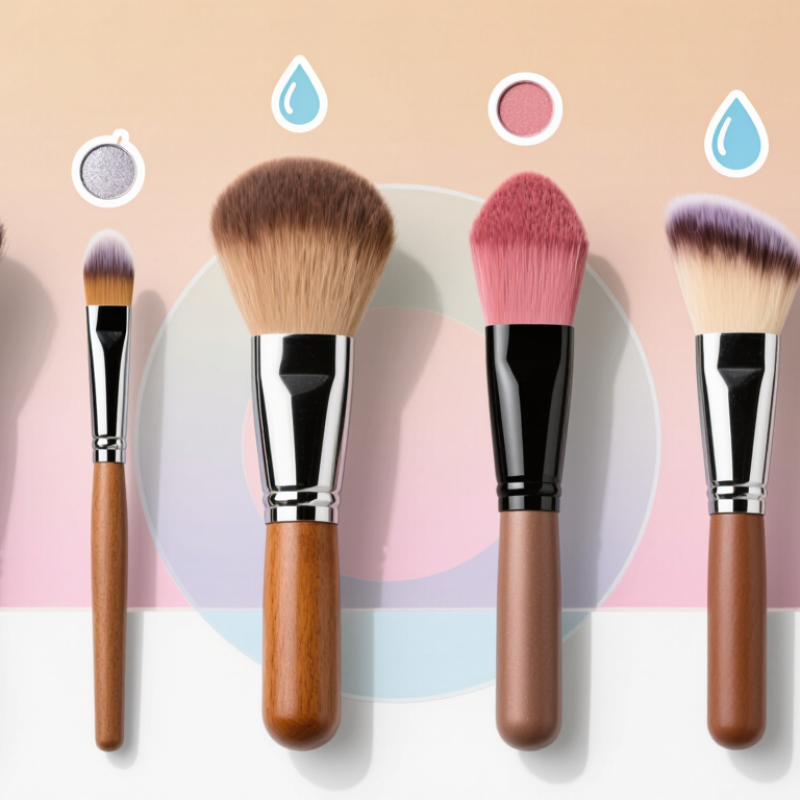
2026 Top Makeup Brushes Beginners Need for a Complete Kit?

Makeup Brushes: What Beginners Need for a Complete Kit

Makeup brushes are the quiet tools behind a controlled, even application. For beginners, a complete kit does not need dozens of shapes. Start with a small foundation brush or damp sponge, a medium powder brush, an angled blush brush, and two eyeshadow brushes. One should be flat for placing color. The other should be soft and rounded for blending. Add a small angled brush for brows or eyeliner.

Choose tools with secure handles and dense, springy bristles. Synthetic fibers are usually practical for liquid and cream products because they absorb less product and clean easily. Soft natural fibers can feel pleasant with powder, but their care may require more attention. I check the ferrule, the metal part holding the bristles. It should not wobble. That small detail often predicts durability.

My early mistake was buying too many brushes before learning basic techniques. My makeup looked uneven, not professional. A beginner should test one product at a time and notice how pressure changes the result. Use light strokes near the eyes and build coverage slowly. Wash frequently, especially brushes used with cream products, using mild soap and lukewarm water. Let them dry flat, with the bristles extending beyond the counter. Never store damp brushes in a closed container. Some advice online oversimplifies cleaning, though. Deep cleaning is useful, but daily spot cleaning may still leave residue, so inspect the fibers instead of trusting a fixed schedule.

Essential Brush Types and Their Main Uses

A complete beginner’s kit needs purpose, not a crowded brush roll. Circana reported that U.S. prestige beauty sales reached $33.9 billion in 2024, an 8% year-over-year increase. That growth reflects continued interest in at-home beauty routines and practical application skills.

Start with a medium foundation brush for liquid or cream base products. Its flat, dense head spreads coverage across the cheeks and forehead. Add a small concealer brush for precise work around the nose and under the eyes. A fluffy powder brush sets makeup without leaving a heavy, dusty layer. Use a tapered blush brush on the cheekbones, then turn it sideways for softer edges.

Keep eye tools simple. A flat shader brush presses color onto the lid. A rounded blending brush softens the crease. A small angled brush defines brows or applies gel liner. Grand View Research projects continued expansion in the global cosmetics market, but more products do not require more brushes. That assumption can waste money.

Synthetic bristles usually handle cream and liquid formulas well, while softer natural fibers can diffuse powder beautifully. Wash frequently, especially after using complexion products. My own early mistake was buying oversized brushes; they made small areas difficult to control. A smaller kit can still feel incomplete. Test each brush in daylight, and reconsider any tool that sheds, scratches, or leaves visible streaks.

2026 Top Makeup Brushes Beginners Need for a Complete Kit

Essential brush types and their main beginner-friendly uses

The chart compares common brush types used in a complete beginner makeup kit. Each value represents the number of distinct beginner tasks listed for that brush, such as applying, blending, setting, defining, or softening makeup. A practical kit should cover complexion, cheeks, eyes, brows, and detail work.

How to Choose Brush Shapes, Sizes, and Bristle Materials

A complete makeup kit begins with brush function, not a large number of tools. From years of practicing everyday application, I find shape affects control more than appearance. A medium, rounded foundation brush spreads liquid products across cheeks without leaving heavy edges. A smaller, tapered concealer brush reaches beside the nose and under the eyes. Flat shapes press color onto the skin, while fluffy shapes soften it. Choose sizes that match your features. A large face brush can overwhelm a narrow jaw. It happens easily.

Bristle material deserves equal attention. Synthetic fibers are usually consistent, easy to clean, and useful for creams or liquids. Natural hair can hold powder well, but quality, softness, and ethical sourcing vary. Never judge softness alone. A brush that feels silky may still shed after washing. Look for densely packed fibers, a secure handle, and an even tip. For eye work, keep one small flat brush for pigment, one tapered blending brush, and one angled brush for precise lines. For cheeks, a slanted blush brush offers control, while a smaller highlighter brush prevents shimmer from spreading across the face. Wash brushes regularly with mild cleanser and let them dry horizontally. I once stored damp brushes upright; the loosened adhesive taught me that convenience can shorten their life. Test each brush with the products you actually use, because an excellent powder brush may perform poorly with cream formulas.

Step-by-Step Guide to Building a Beginner Makeup Brush Set

Building a beginner makeup brush set should feel practical, not overwhelming. McKinsey’s 2023 beauty report values the global beauty market at about $500 billion, with continued growth expected through 2027. That growth reflects wider product choices, but beginners still need control and comfort. Start with five brushes: a soft powder brush, angled blush brush, flat foundation brush, small eyeshadow brush, and angled liner brush. Choose dense, flexible fibers with handles that feel secure in your hand.

Test each brush with a simple routine. Use the powder brush across your forehead and cheeks. Apply blush with light, upward strokes. Press foundation around the nose instead of dragging it. A small eyeshadow brush should fit the crease without scratching. Professional makeup artists often recommend adding brushes only when a technique requires one. This reduces clutter and prevents buying duplicates. My own early mistake was choosing softness over shape; the brush felt pleasant but placed color poorly. That lesson still matters.

Tips: Wash frequently. The American Academy of Dermatology Association advises cleaning makeup tools regularly, especially when they touch liquid products. Clean brushes after several uses, and wash foundation brushes more often. Use mild soap, rinse downward, and dry them flat. Do not share eye brushes. Replace tools when fibers shed, smell unusual, or lose their shape. Circana’s 2024 beauty tracking also showed continued strength in prestige beauty spending, but expensive tools cannot replace technique. Start small. Practice matters more.

2026 Top Makeup Brushes Beginners Need for a Complete Kit? - Step-by-Step Guide to Building a Beginner Makeup Brush Set

Beginner recommendation: start with the essential brushes first, then add specialized tools as your makeup routine becomes more advanced.
Step Brush Type Suggested Quantity Shape and Size Main Makeup Area Recommended Fiber Primary Function Beginner Technique Priority
Phase 1: Essential Face Brushes
1 Foundation Brush 1 Flat or rounded, medium density Liquid or cream foundation Synthetic fibers Spreads and blends base makeup evenly Apply small dots of foundation, then blend from the center of the face outward using short strokes or tapping motions. Essential
2 Concealer Brush 1 Small, flat, and slightly tapered Under-eyes and blemishes Synthetic fibers Places and blends concealer precisely Use the tip for small areas and the flat side for under-eye coverage. Tap rather than dragging to preserve coverage. Essential
3 Powder Brush 1 Large, rounded, and softly packed Loose or pressed face powder Soft synthetic or natural fibers Sets makeup without placing too much product in one area Pick up a small amount of powder, tap off excess, and press or sweep lightly over the T-zone and other areas that become shiny. Essential
4 Blush Brush 1 Medium, rounded or angled, soft density Powder blush Soft synthetic or natural fibers Applies color to the cheeks with diffused edges Place blush on the fullest part of the cheeks and blend upward toward the temples with light circular motions. Essential
5 Angled Contour or Bronzer Brush 1 Angled, medium-sized, moderately dense Bronzer and powder contour Synthetic or natural fibers Shapes the face and adds warmth Use a small amount of product along the hairline, cheek hollows, and jawline. Blend thoroughly to avoid visible lines. High
Phase 2: Essential Eye Brushes
6 Flat Shader Brush 1 Flat, compact, and medium-sized Upper eyelid Synthetic fibers for creams; natural or synthetic for powders Packs eyeshadow onto the lid with controlled placement Press eyeshadow onto the eyelid instead of sweeping it immediately. This helps build color and reduce fallout. Essential
7 Blending Brush 1–2 Fluffy, tapered, and loosely packed Crease and transition area Soft synthetic or natural fibers Softens edges and blends multiple eyeshadow shades Use a clean or lightly loaded brush in small windshield-wiper motions through the crease, keeping pressure light. Essential
8 Small Detail Brush 1 Small, tapered, and firm Inner corner, lower lash line, and precise shadow work Synthetic fibers Adds controlled detail in small areas Use the tip to place highlight or deepen the outer corner. Keep the brush close to the lash line for lower-lash application. High
9 Angled Eyeliner or Brow Brush 1 Thin, angled, and firm Brows and gel eyeliner Synthetic fibers Creates fine lines and fills sparse brow areas Use the narrow edge with short, hair-like strokes. Wipe excess product from the brush before working near the inner brow. High
Phase 3: Optional Brushes for a More Complete Kit
10 Fan Brush 1 Wide, flat, and lightly packed Highlighter and excess powder Synthetic or natural fibers Applies a sheer layer of powder product Use the edge rather than the full surface for a subtle highlight on the cheekbones, bridge of the nose, or brow bone. Optional
11 Stippling Brush 1 Dual-length fibers with a rounded top Liquid foundation, cream blush, or cream bronzer Synthetic fibers Builds a light, layered finish Use gentle bouncing or stippling motions to build coverage gradually without creating heavy brush marks. Optional
12 Pencil Brush 1 Small, rounded, and densely packed Lower lash line and outer-corner definition Synthetic or natural fibers Smudges and concentrates eyeshadow precisely Apply shadow close to the lashes, then use short back-and-forth movements to soften the edge. Optional
13 Lip Brush 1 Small, flat, and slightly pointed Lipstick, lip cream, and lip color Synthetic fibers Improves precision and creates an even lip edge Outline the lips first, then fill in the center using thin layers for better control and longer wear. Optional
Brush Selection and Care Data
14 Synthetic Fiber Set Recommended Available in soft, medium, and firm densities Liquid, cream, and powder products Fine synthetic filaments Usually easy to clean and suitable for beginners Choose softer fibers for blending and firmer fibers for precision. Synthetic fibers are especially practical for cream and liquid formulas. Best Starter Choice
15 Cleaning Schedule After each use / weekly Spot-clean between uses; deep-clean regularly All brushes Not applicable Helps remove product buildup and reduce transfer between colors Wash frequently used face brushes at least weekly. Clean eye brushes more often when changing shades or using cream products. Essential Habit
16 Drying and Storage After every wash Air-dry horizontally with bristles exposed All washable brushes Not applicable Protects the handle, ferrule, and brush shape Do not dry brushes standing upright while wet. Keep them away from excessive heat and store them in a clean, ventilated holder. Essential Habit

Proper Brush Use, Cleaning, Storage, and Replacement

2026 Top Makeup Brushes Beginners Need for a Complete Kit?

A complete beginner kit needs fewer brushes than most people expect. A soft powder brush, angled cheek brush, small blending brush, flat shader brush, and precise detail brush cover daily applications. Use clean, dry bristles for powder products. Slightly damp bristles can soften cream makeup, but excess water weakens the handle and traps residue near the ferrule.

Cleaning matters more than owning many tools. The American Academy of Dermatology recommends washing makeup brushes every seven to ten days. Eye brushes deserve more frequent care, especially after creamy products. A 2019 Journal of Applied Microbiology study reported that 70% to 90% of tested used makeup products carried bacteria or fungi. That finding is uncomfortable. It makes a weekly routine feel less optional. Use lukewarm water, mild cleanser, and gentle pressure. Keep the brush pointing downward. Never soak the handle.

Storage also affects brush life. Let brushes dry horizontally, with bristles extending beyond the counter edge. Store them upright only after they are fully dry. A closed container protects against dust, but trapped moisture encourages odor and microbial growth. Replace brushes when bristles shed repeatedly, lose their shape, or feel scratchy. There is no perfect calendar. Many brushes last one to three years with careful use, though daily cream makeup may shorten that period. I sometimes delay replacement because the brush still looks usable. That is not always wise. A clean appearance cannot prove a clean tool.

FAQS

Which brushes should a beginner buy first?

Start with five brushes: powder, angled cheek, flat foundation, small blending, and angled liner. This kit covers daily makeup. More tools can wait.

What does a flat foundation brush do?

Its dense, flat head spreads liquid or cream makeup across the cheeks and forehead. Press around the nose instead of dragging. This can reduce streaks.

Which brush works best for blush?

Use an angled cheek brush on the cheekbones. Turn it sideways to soften the edges. Apply light, upward strokes.

What eye brushes are most useful?

A flat shader brush presses color onto the eyelid. A rounded blending brush softens the crease. An angled brush defines brows or liner.

Should beginners choose synthetic or natural fibers?

Synthetic fibers usually handle liquid and cream formulas well. Softer natural fibers can diffuse powder smoothly. Shape matters more than softness alone.

How often should makeup brushes be cleaned?

Wash them every seven to ten days. Clean foundation brushes more often. Eye brushes need extra care after creamy products.

How should brushes be washed and dried?

Use lukewarm water and mild cleanser. Keep the bristles pointing downward. Never soak the handle. Dry brushes flat, with bristles extending beyond the counter edge.

When should a brush be replaced?

Replace it when bristles shed repeatedly, lose shape, smell unusual, or feel scratchy. Many brushes last one to three years. Daily cream makeup may shorten that time.

How should clean brushes be stored?

Store them upright only after they are completely dry. A closed container blocks dust, but trapped moisture can create odor. Dryness matters more than appearance.

What beginner brush mistake is easy to make?

Oversized brushes can make small areas hard to control. I once chose softness over shape. The brush felt pleasant, but placed color poorly. That lesson still needs repeating.

Conclusion

Building a complete beginner makeup brush kit starts with understanding what each brush is designed to do. The key question is: what makeup brushes do beginners need? A practical set usually includes brushes for foundation, concealer, powder, blush, bronzer, eyeshadow, blending, and brows. Beginners should choose shapes and sizes that feel easy to control, while soft, durable bristles help create an even application without irritating the skin. Synthetic bristles are often simple to clean and suitable for both liquid and powder products.

A step-by-step approach makes it easier to build a useful collection without buying unnecessary tools. Start with versatile face brushes, then add essential eye and detail brushes as skills improve. Use gentle, controlled motions and avoid pressing too hard. Clean brushes regularly with mild cleanser, rinse them thoroughly, reshape the bristles, and let them dry fully. Store them in a clean, ventilated holder, and replace brushes when the bristles become rough, shed excessively, lose their shape, or remain difficult to clean.

Ethan

Ethan

Ethan is a seasoned marketing professional with a deep expertise in our company's innovative product line. With a passion for sharing knowledge and insights, he takes the lead in regularly updating our corporate blog, where he explores industry trends, product features, and effective marketing......