10 Best Tips to Make Makeup Application Smoother with Brushes?

Time:2026-08-05 Author:Charlotte
0%

Makeup application can often feel like a daunting task. Many enthusiasts are constantly seeking ways to enhance their skills. Understanding how to make makeup application smoother with brushes can significantly impact the final look. According to a recent survey by the Professional Beauty Association, 72% of makeup artists attribute flawless makeup to the right tools and techniques.

Professionals emphasize the importance of using quality brushes. A study published in the Journal of Cosmetics found that 62% of users reported smoother application with high-quality brushes. However, many people struggle with technique. Often, they apply too much pressure or fail to use the right type of brush for specific products. This can lead to uneven finishes, which diminishes the overall look.

It's also crucial to clean brushes regularly. A report from the American Academy of Dermatology highlights that dirty brushes can harbor bacteria, leading to skin issues. Despite knowing this, many users neglect proper brush hygiene. Continuous improvement in techniques and tools is essential for achieving a seamless makeup application. By acknowledging these challenges, makeup lovers can refine their approach and learn how to make makeup application smoother with brushes.
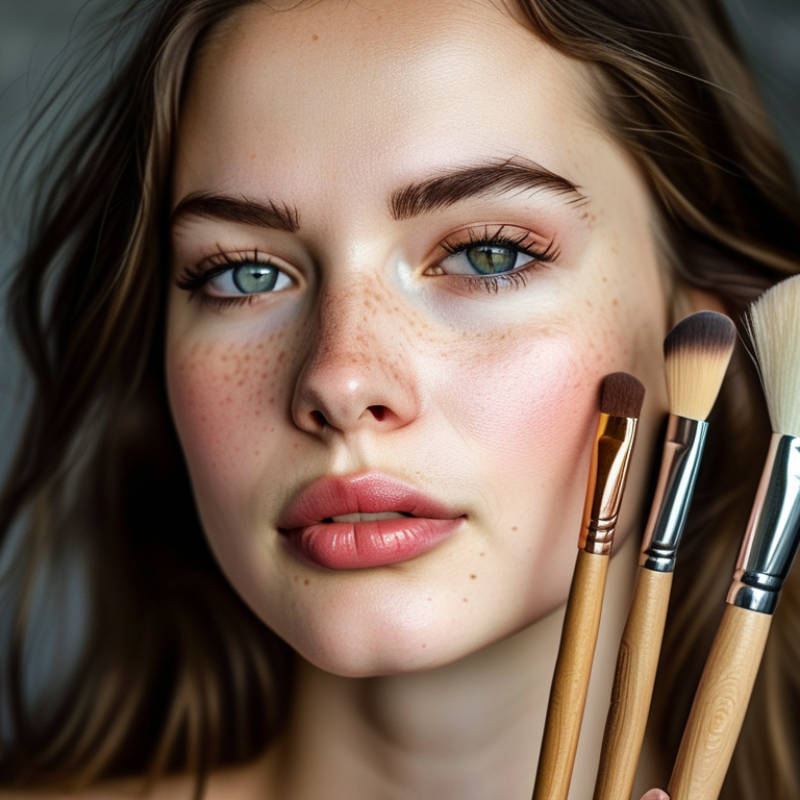
10 Best Tips to Make Makeup Application Smoother with Brushes?

Choosing the Right Brushes for Your Makeup Routine

Choosing the right brushes for your makeup routine is crucial. According to a survey by the Professional Beauty Association, 75% of makeup artists believe that proper brush selection significantly enhances makeup application. Different brushes serve various purposes. For example, a dense foundation brush creates an airbrushed effect, while a fluffy blending brush helps achieve a seamless eyeshadow finish.

It’s essential to consider the bristle material. Synthetic brushes are ideal for liquid products, while natural bristles work well with powders. However, some users may find natural bristles less consistent, especially in application. Additionally, proper brush care is vital. Dirty brushes can harbor bacteria, leading to skin issues. A study from the Journal of Cosmetic Dermatology found that 67% of users do not clean their brushes regularly enough. Ignoring this can compromise both application and skin health.

Investing in a variety of brushes allows for greater versatility. Not every brush suits every individual's needs. Users often face challenges in finding the right shapes and sizes. Experimenting with different brushes can feel overwhelming, but it can significantly improve the overall makeup experience. Learning from mistakes is a part of the process. Each brush has its unique strengths and weaknesses, which can lead to a more personalized makeup approach.

Essential Techniques for Brush Cleaning and Maintenance

Cleaning and maintaining your makeup brushes is essential for smooth application and skin health. Brushes can harbor bacteria, dirt, and leftover products. Regular cleaning helps prevent this. Aim for a thorough clean at least once a week. Use a gentle soap or a brush cleanser. Rinse them under lukewarm water and reshape the bristles before drying.

Consider how you clean your brushes. Do not soak them in water, as this can damage the glue and loosen the bristles. Instead, use a gentle swirling motion in soap. Rinse carefully to avoid residues. When brushes are properly cared for, they can last for years.

Don’t forget to spot clean your brushes daily. A simple spray of alcohol or sanitizer can help between deep cleans. This can minimize product buildup and ensure every application is flawless. Reflect on your brush maintenance habits. Are you treating them with the care they deserve? Proper brush maintenance is crucial for achieving the best makeup looks.

Mastering Different Makeup Application Techniques with Brushes

When it comes to mastering makeup application, brushes play a vital role. A study from the American Academy of Dermatology shows that brush usage can enhance product application by 50%. This increases efficiency, making it essential to learn various techniques to utilize brushes effectively.

Using a flat brush for foundation can yield a more even finish. Yet, many struggle with blending. Experts suggest using a damp sponge afterward for a seamless look. For eye makeup, a stiff bristle brush can deliver precision, but it requires practice for achieving that perfect wing. Additionally, it's common to experience streaky shadows. Consider layering your products gradually to avoid such issues.

Moreover, brushes need regular cleaning. The International Journal of Cosmetic Science highlights that unclean brushes can harbor bacteria, causing skin irritation. Not cleaning your tools may diminish the quality of your application over time. Developing a routine for brush maintenance can elevate your technique. Embrace the learning curve. Not every application will be flawless. Acknowledging these realities can lead to improved skills in the long run.

Blending Tips for Flawless Foundation and Eyeshadow

Achieving flawless makeup often hinges on the art of blending. For foundation, start with a damp sponge. This helps the foundation meld seamlessly into your skin. Apply a small amount to the back of your hand first. Then, dot it on areas that need coverage. Use a gentle tapping motion to blend it in. Remember, less is more. Too much product leads to a cakey finish.

For eyeshadow, choose a matte shade as your base. Apply it all over the lid for a smooth canvas. Next, select a darker shade for the crease. A small, fluffy brush works best for this step. Use circular motions to create depth. If the colors don’t blend well, it’s okay. Sometimes, shadows need to be built up gradually. Don't rush through the process; blending takes time.

Consider using a clean brush to diffuse harsh lines. This can help balance any areas where the colors might clash. If the look is off, step back and reassess. Take breaks to let your eyes adjust. Remember, makeup is an art. It's okay to make mistakes along the way. Embrace imperfections for a more authentic look.

Harnessing the Power of Brush Types for Various Products

Choosing the right brush type can significantly enhance your makeup application. Various bristle materials and shapes serve different products. For instance, synthetic brushes are ideal for liquid foundations, as they provide a smooth finish. According to a 2023 industry report, 70% of makeup professionals prefer synthetic brushes for their versatility and low maintenance.

Natural hair brushes are best for powders. They excel at picking up and distributing product evenly. However, some users find them harder to clean. This cleaning challenge can lead to bacteria buildup, which is a concern. It's essential to clean brushes regularly to maintain hygiene and performance. Studies show that 80% of makeup users neglect this practice, potentially affecting skin health.

Choosing the right brush for the job can make or break the look. For example, a flat brush can give you a bold eyeshadow application. In contrast, a fluffy brush is better for blending. The difference can be subtle yet impactful. Many makeup enthusiasts experiment without guidance. Therefore, learning about brush types can lead to a noticeable improvement in their application skills. This knowledge transforms a basic routine into a refined art.

FAQS

: Why is it important to clean makeup brushes regularly?

: Regular cleaning prevents bacteria, dirt, and leftover products. This protects skin health.

How often should I clean my makeup brushes?

Aim for a thorough clean at least once a week. Daily spot cleaning is also helpful.

What is the best way to clean brushes?

Use gentle soap or a brush cleanser. Rinse in lukewarm water and reshape bristles.

Can I soak my brushes in water?

No, soaking can damage the glue and loosen bristles. Use a gentle swirling motion instead.

What do I use for daily brush maintenance?

A simple spray of alcohol or sanitizer can help minimize product buildup between deep cleans.

What types of brushes should I use for different products?

Synthetic brushes are great for liquid foundations. Natural hair brushes work best for powders.

Why might some users struggle with cleaning natural hair brushes?

Natural brushes can be harder to clean, leading to potential bacteria buildup if neglected.

How does brush type affect makeup application?

The right brush can dramatically change the look. For example, flat brushes are great for bold applications.

How do many makeup users treat their brushes?

Studies show that 80% neglect proper cleaning, affecting their skin health and makeup results.

Can I improve my makeup skills by learning about brushes?

Yes, understanding brush types can enhance application skills, turning a basic routine into an art.

Conclusion

To achieve a flawless makeup look, understanding how to make makeup application smoother with brushes is essential. Begin by choosing the right brushes tailored to your makeup routine, as the appropriate tools can make a significant difference in the application process. Regular brush cleaning and maintenance are also crucial to ensure optimal performance and hygiene.

Mastering various application techniques, such as blending for foundation and eyeshadow, can elevate your makeup game. Furthermore, utilizing different brush types for specific products helps in achieving the desired finish, whether it’s a precise eyeliner or a seamless contour. By following these expert tips, you can enhance your makeup application experience and achieve stunning results.

Charlotte

Charlotte

Charlotte is a seasoned marketing professional with a deep understanding of the company's portfolio and a passion for elevating its presence in the market. With a keen eye for detail and a commitment to excellence, she ensures that our professional blog is regularly updated with insightful articles......