2026 Best Ways to Disinfect Makeup Brushes Safely?

Time:2026-06-13 Author:Sophia
0%

In the beauty world, keeping tools clean is crucial. Makeup brushes can harbor bacteria, leading to skin issues. Learning how to disinfect makeup brushes safely is essential for maintaining healthy skin. Dr. Ava Shamban, a renowned dermatologist, emphasizes, "Cleaning your brushes is not just a routine; it's a necessity for healthy skin."

Many people overlook this practice, thinking it’s time-consuming. However, investing time in brush care has significant benefits. Regular disinfection can prevent breakouts and irritation. A simple routine can go a long way in ensuring your skin stays clear and fresh.

Using the right methods can make brush cleaning efficient. Whether you opt for natural solutions or commercial products, knowing how to disinfect makeup brushes safely gives you peace of mind. With so many options available, it's easy to find a method that fits your lifestyle. Remember, each brush you clean contributes to your overall skin health. Reflect on your current practices, and consider how you can improve your routine.
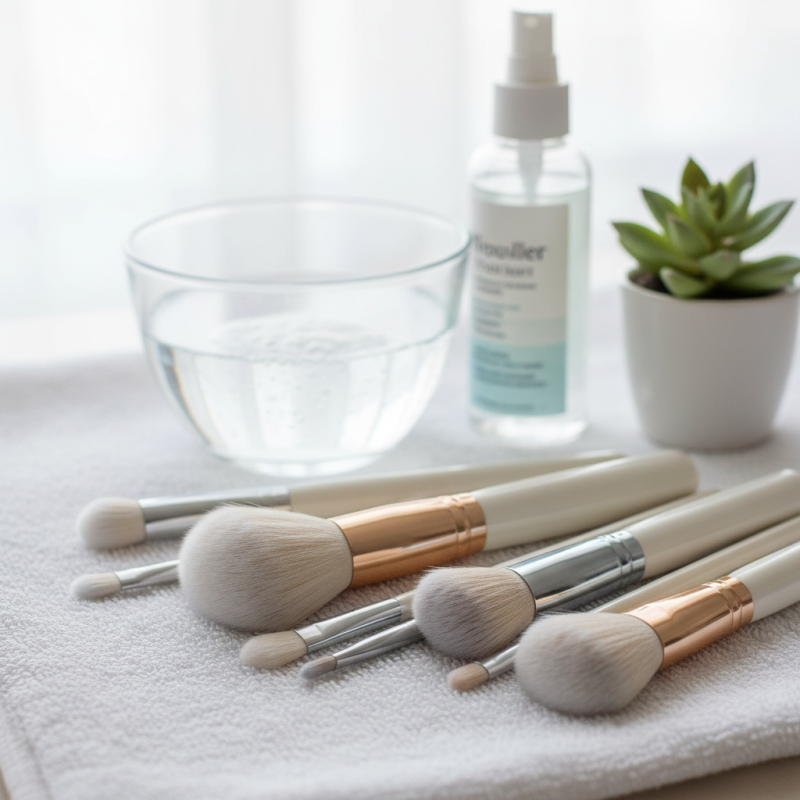
2026 Best Ways to Disinfect Makeup Brushes Safely?

Essential Reasons for Disinfecting Makeup Brushes Regularly

Regularly disinfecting makeup brushes is crucial for maintaining skin health. According to a study from the American Academy of Dermatology, unclean brushes can harbor bacteria, leading to breakouts. About 70% of makeup users do not wash their brushes as often as they should. This can create an ideal environment for bacteria.

Using dirty brushes can also cause skin irritation. When bacteria are introduced to your skin, it can lead to inflammation and various skin issues. An example reported in the Journal of Cosmetic Dermatology indicated that 30% of users experienced skin problems linked to unclean brushes. Beyond skin health, regular cleaning can extend the life of your brushes.

Cleaning results in better makeup application, too. Grime and residue can affect how products blend and adhere. Yet many users tend to overlook this. Simple practices such as washing brushes weekly can substantially improve your skin’s condition and your overall makeup experience.

2026 Best Ways to Disinfect Makeup Brushes Safely

Regularly disinfecting makeup brushes is essential for maintaining skin health and preventing breakouts. This chart showcases the effectiveness of various disinfection methods on a scale of 1 to 10, helping users choose the best practices for cleaning their brushes.

Common Contaminants Found on Makeup Brushes

Makeup brushes are often home to various contaminants. These can include bacteria, dead skin cells, and leftover makeup residue. Using dirty brushes can cause skin issues. For instance, clogged pores may lead to breakouts. Bacteria can also cause irritation and infection. It's surprising how much buildup can occur between proper cleanings.

Oil and impurities from the skin transfer to brushes. Each use adds to the layers of product. Residues can become a breeding ground for harmful microorganisms. Regular cleaning is essential for maintaining skin health. Many people overlook this important step. They might wash brushes infrequently, thinking it's sufficient. This can lead to regrets later, especially if one experiences skin problems.

A safe cleaning routine can minimize these risks. It doesn’t have to be complicated. Simplifying the process can make it easier to maintain. Using gentle cleansers can effectively remove contaminants. Always rinse thoroughly. Pat dry with a clean towel. Remember, clean brushes are not just a luxury; they are vital for skincare.

Step-by-Step Guide to Disinfecting Brushes with Soap and Water

Cleaning your makeup brushes is essential for healthy skin. Dust, oil, and bacteria can build up over time. This may lead to breakouts or skin irritation. Using simple soap and water can be effective and safe for disinfecting.

Start by wetting the bristles under lukewarm water. Ensure the water does not flow back into the handle. Apply a small amount of gentle soap directly onto the bristles. Work the soap into the bristles with your fingers, creating a lather. Rinse until the water runs clear, showing no residue. This step removes dirt and buildup effectively.

After rinsing, reshape the bristles gently and lay the brushes flat on a clean towel. Don't store them upright until they are completely dry. Air drying helps prevent mold growth in the brush bristles. Regular cleaning might seem tedious, but it pays off in the long run. Consider setting a regular schedule to keep your brushes in top shape.

Using Isopropyl Alcohol for Effective Brush Disinfection

Makeup brushes are essential tools in beauty routines but can harbor bacteria. Keeping them clean is vital for healthy skin. One effective way to disinfect your brushes is by using isopropyl alcohol. This solution can kill most germs and is easy to find in stores. A study by the American Academy of Dermatology found that regular cleaning can reduce acne breakouts by up to 80%.

To use isopropyl alcohol, pour it into a clean spray bottle. Lightly mist the bristles of your brushes and let them sit for a few minutes. Then, gently wipe them on a clean paper towel. This method not only disinfects but also removes leftover makeup.

Tip: Always clean your brushes after applying makeup. This habit minimizes product buildup and bacteria growth. It's surprising how many brush users overlook this simple step. Regular maintenance can extend brush life and improve makeup application. Consider dedicating one day a week for brush cleaning.

While isopropyl alcohol is effective, it may dry out some brush hairs. Always condition the bristles after cleaning. Many overlook this part, thinking their brushes are good as new after disinfection. A little extra care can significantly enhance your brushes' performance and longevity.

Tips for Maintaining Clean and Safe Makeup Brushes

Makeup brushes accumulate bacteria and oils. Studies show over 60% of brushes harbor harmful microbes. Regular cleaning is essential for skin health. The right techniques can help keep your brushes in optimal condition.

**Tip:** Clean brushes weekly to reduce the risk of breakouts. Wash in warm, soapy water and rinse thoroughly. Avoid soaking them, as this can weaken the bristles. Allow brushes to air dry, laying them flat to maintain shape.

To maintain clean and safe makeup brushes, choose suitable cleaning agents. Mild baby shampoo or gentle brush cleansers can effectively remove makeup residues. Remember to clean your brushes after applying heavy products. This simple practice can prevent the buildup of harmful bacteria.

**Tip:** Use a microfiber cloth to wipe brushes after each use. This quick step removes excess product and dirt. It’s easy to overlook, but it can significantly extend your brushes' lifespan. Regular maintenance is key to achieving flawless makeup application.

2026 Best Ways to Disinfect Makeup Brushes Safely

Method Ingredients Preparation Application
Vinegar and Water 1 part vinegar, 2 parts water Mix ingredients in a bowl. Soak brushes for 10 minutes, rinse and dry.
Baby Shampoo Gentle baby shampoo Apply a small amount to palm. Gently swirl brushes and rinse thoroughly.
Rubbing Alcohol Isopropyl alcohol (70% or higher) Pour into a small dish. Dip brush bristles and wipe on a clean cloth.
Dish Soap and Olive Oil 1 part dish soap, 1 part olive oil Mix ingredients in a bowl. Swirl brushes in the mixture and rinse thoroughly.
Makeup Brush Cleaner Spray Commercial brush cleaner Follow product instructions. Spray on brush and wipe clean with a tissue.

FAQS

: Why is it important to disinfect makeup brushes regularly?

: Regular disinfection helps maintain skin health and prevents bacteria buildup, which can lead to breakouts.

What percentage of makeup users neglect to wash their brushes often enough?

About 70% of users do not wash their brushes as frequently as they should.

What skin issues can arise from using dirty brushes?

Dirty brushes can cause inflammation, skin irritation, and clogged pores, leading to breakouts.

How can unclean brushes affect makeup application?

Grime and residue can impact how makeup products blend and adhere to the skin.

What contaminants can be found on makeup brushes?

Brushes may harbor bacteria, dead skin cells, and leftover makeup residue.

How often should makeup brushes be washed for best results?

Washing brushes weekly can improve skin condition and enhance your makeup experience.

Is cleaning brushes a complicated process?

No, maintaining a clean routine can be simple and doesn’t require complicated steps.

What happens if someone cleans brushes infrequently?

Infrequent cleaning may lead to regrets, especially if skin problems develop later.

What is a safe way to clean makeup brushes?

Use gentle cleansers, rinse thoroughly, and pat them dry with a clean towel.

Are clean brushes a luxury or a necessity?

Clean brushes are essential for proper skincare, not just a luxury.

Conclusion

Disinfecting makeup brushes safely is essential for maintaining healthy skin and preventing breakouts. Regular cleaning helps eliminate common contaminants such as bacteria, oils, and makeup residue that accumulate on brushes over time. This article provides a comprehensive guide on how to disinfect makeup brushes safely, starting with a step-by-step process using simple soap and water, ensuring that the brushes are thoroughly cleaned without damage.

Additionally, using isopropyl alcohol serves as an effective alternative for disinfecting brushes, particularly for those in need of a quick solution. To maintain clean and safe makeup brushes, it is advised to establish a regular cleaning routine, and follow simple tips that will help extend the lifespan of your brushes while ensuring they remain in optimal condition.

Sophia

Sophia

Sophia is a dedicated marketing professional with an exceptional depth of knowledge about her company's products and services. With a keen understanding of market trends and customer needs, she crafts insightful blog posts that not only inform but also engage readers, enriching the company’s online......