 AMOVELLE Beauty
China’s Top 10 Makeup Brushes: How Often Should You Wash Them?
A soft foundation brush can leave a smooth finish, but yesterday’s product may still cling between its bristles. That residue can mix with skin oils, dust, and fresh makeup. So, how often should you wash makeup brushes? The practical answer depends on the brush, its use, and how quickly it gets dirty.
Board-certified dermatologist Dr. Joshua Zeichner advises regular cleaning of makeup tools to reduce the buildup of oil, dirt, and bacteria. For brushes used with liquid or cream products, a weekly wash is a sensible routine. Brushes used with powder products may need washing every one to two weeks. These are useful guidelines, not a rule that fits every face or climate.
Wash sooner if bristles look stained, feel stiff, or smell unusual. Use lukewarm water and a gentle cleanser, keeping the handle and metal ferrule as dry as possible. Rinse until the water runs clear, then reshape the bristles and let the brush dry flat. Small details matter.
This guide looks at ten popular makeup brushes in China and explains how their materials and daily jobs affect cleaning schedules. A dense concealer brush may collect cream faster than a loose powder brush. Still, frequency alone is not the whole story; careful drying matters too. Even a clean brush can become unpleasant if stored damp. And honestly, many of us forget. A realistic routine is better than a perfect schedule abandoned after one week.
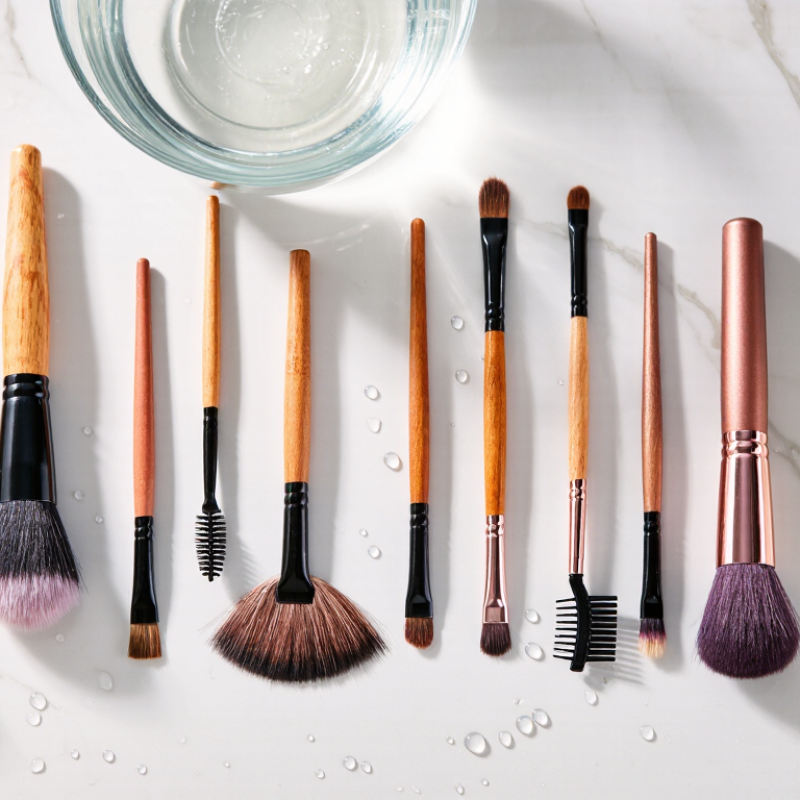
China’s makeup routines commonly use ten essential brush types. A flat foundation brush spreads liquid base evenly across cheeks and the forehead. A small concealer brush reaches under-eye corners and blemishes. A rounded powder brush distributes loose or pressed powder gently. An angled blush brush shapes color along the cheekbones. A fan brush applies highlighter with a lighter touch. A flat eyeshadow brush packs pigment onto the eyelid. A tapered blending brush softens harsh edges. An angled liner brush creates precise lines near the lashes. A spoolie shapes brows and separates lashes. A small lip brush improves color around the mouth.
Cream-product brushes need washing weekly, or sooner after heavy use. Powder brushes usually need cleaning every seven to fourteen days. Wash eye brushes weekly to reduce pigment buildup. Clean a lip brush after each use, especially when sharing makeup. These timings are practical, not perfect. Humid Chinese summers may require more frequent washing.
Tips: Use lukewarm water and a mild cleanser. Keep water away from the ferrule, or the glue may weaken. Press brushes in a clean towel, then dry them flat. Never store damp brushes in a closed bag. I sometimes wash too quickly and leave residue near the handle. Checking the bristles matters. Rough texture, unusual smell, or shedding means the brush needs deeper cleaning or replacement.
| No. | Brush Type | Typical Shape and Bristles | Common Uses | Suggested Washing Frequency* |
|---|---|---|---|---|
| 1 | Foundation Brush | Flat or rounded; dense bristles | Applying and blending liquid or cream foundation | About once a week; more often with daily liquid-product use |
| 2 | Powder Brush | Large, fluffy, rounded head | Applying loose or pressed powder over larger areas | Every 1–2 weeks for personal use |
| 3 | Concealer Brush | Small, flat or tapered; compact bristles | Placing and blending concealer on small areas | About once a week; clean promptly after heavy cream-product use |
| 4 | Blush Brush | Medium-sized, soft, rounded or angled head | Applying and blending powder or cream blush | Every 1–2 weeks; weekly if used with cream blush |
| 5 | Contour Brush | Angled or tapered; medium density | Shaping and blending contour along cheeks or jawline | Every 1–2 weeks for powder products; about weekly for cream products |
| 6 | Highlighter Brush | Small, tapered or fan-shaped; soft bristles | Applying highlighter to cheekbones and other raised areas | Every 1–2 weeks for powder; weekly for liquid or cream formulas |
| 7 | Eyeshadow Blending Brush | Small, fluffy, rounded head | Softening edges and blending eyeshadow in the crease | About once a week; clean between colors when needed |
| 8 | Eyeshadow Shader Brush | Flat, compact head | Packing or pressing eyeshadow onto the eyelid | About once a week; clean between shades to reduce color transfer |
| 9 | Angled Eyeliner Brush | Very fine, angled bristles | Applying gel or powder liner along the lash line | After each use with gel or cream liner; otherwise, at least weekly |
| 10 | Brow Brush | Small, firm, angled bristles; often paired with a spoolie | Filling and defining brows; grooming brow hairs | About once a week; clean promptly if used with waxy or cream products |
*Suggested intervals are general guidance for personal-use brushes. Wash sooner if a brush looks dirty, feels oily, has product buildup, or is shared. Use a gentle brush cleanser or mild soap, rinse with the bristles pointing downward, reshape, and air-dry flat. Avoid soaking the handle or ferrule.
It spreads liquid base across cheeks and the forehead. Use light strokes for a smoother finish.
A small concealer brush reaches under-eye corners and blemishes. Its narrow tip offers better control.
Wash them every two or three uses. Clean them sooner after heavy use or contact with irritated skin.
Wash powder brushes about every seven days. Daily use, oily skin, or humid weather may require more frequent cleaning.
Wash eyeshadow brushes every three to five uses. Clean eyeliner and lip brushes after each use.
Use lukewarm water and a mild cleanser. Rinse until the water runs clear, then press gently with a clean towel.
Reshape the bristles and dry brushes flat, with the tips extending beyond the counter. Never store them damp.
Water can weaken the glue inside the ferrule. The handle may loosen, and bristles can begin shedding.
Replace it when shedding continues, the texture feels rough, or it develops an unusual smell. Inspect it carefully.
Not really. Product texture, skin type, climate, and storage conditions change cleaning needs. I once cleaned every brush together, and softer bristles suffered.
This guide explores the top 10 makeup brushes commonly used in China, explaining how each type supports tasks such as foundation application, concealing, powdering, contouring, highlighting, and eye makeup. It also examines how brush materials, including synthetic and natural fibers, and different makeup formulas affect cleaning needs. Cream and liquid products usually leave more residue and require more frequent washing, while powder brushes may need slightly less frequent care. The key question, “how often should you wash makeup brushes,” depends on their use: complexion brushes are best washed weekly or more often, while eye and powder brushes may be cleaned every one to two weeks.
The article provides a safe step-by-step cleaning method, including gentle rinsing, mild cleanser use, thorough washing, and careful reshaping. It also explains how to dry brushes horizontally or with the bristles facing downward, store them in a clean, ventilated place, and maintain them between washes by removing excess product and avoiding shared use. Proper care helps preserve brush performance, comfort, and cleanliness.
