Why Choosing Makeup Brushes for Sensitive Skin Matters?

Time:2026-07-26 Author:Charlotte
0%

Choosing makeup brushes for sensitive skin is a significant decision. The right brushes can help protect your skin and enhance your beauty routine. Many makeup enthusiasts overlook this aspect. However, understanding how to choose makeup brushes for sensitive skin is essential for anyone with skin sensitivities.

Sensitive skin is often prone to irritation and breakouts. The wrong brushes can exacerbate these issues. Natural bristles may feel softer, but synthetic options can be gentler on inflamed skin. It's crucial to consider the materials used in brush construction. In addition, brush hygiene plays a vital role in maintaining skin health. Regular cleaning can prevent the buildup of bacteria and irritants.

Not all brushes will work for everyone. You might invest in high-quality tools only to find they don't suit your skin. Some brushes may feel soft but cause reactions. Take the time to test various options. Look for reviews from reliable sources. Knowing what works for you is a journey of reflection and practice.
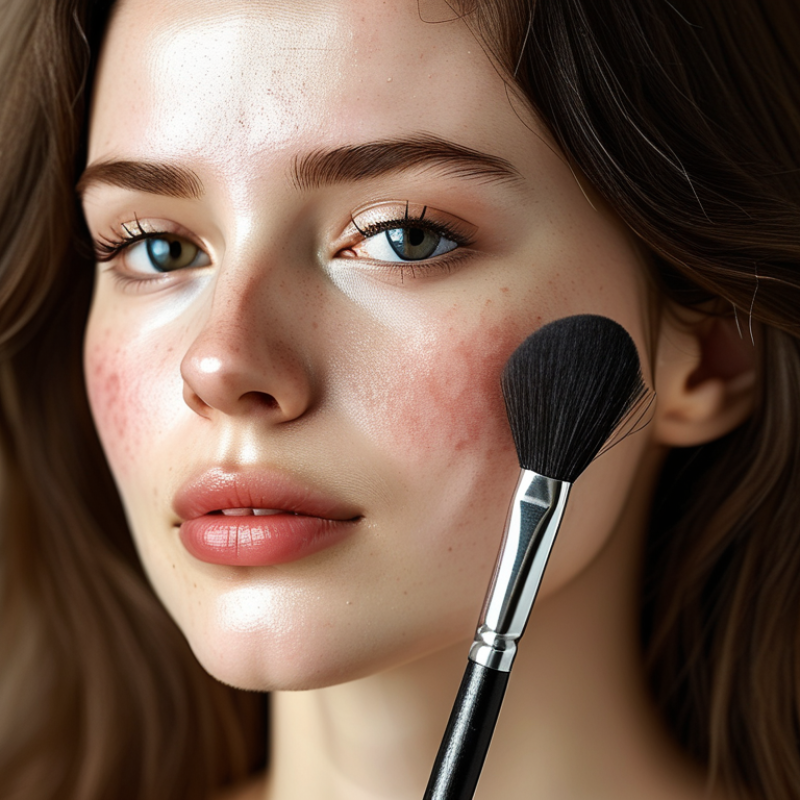
Why Choosing Makeup Brushes for Sensitive Skin Matters?

Understanding Sensitive Skin: Characteristics and Needs

Sensitive skin requires special care. It often reacts to various products. This reaction can include redness, itching, or irritation. Understanding these characteristics is vital for choosing makeup brushes. They play a crucial role in applying makeup without causing harm.

The texture of the brush fibers matters. Soft, natural bristles are often gentler on the skin. However, they may not suit everyone. Synthetic options can also be soft but might feel different. Finding the right balance is key. Additionally, brush hygiene is essential. Regular cleaning can prevent the buildup of bacteria. Dirty brushes can exacerbate skin problems.

Many users overlook their skin’s specific needs. Some brushes may feel great but still irritate. Testing brushes before purchase can help identify issues. It's a thoughtful approach but often neglected. Paying attention to these details can improve your makeup experience significantly. Your skin deserves careful consideration.

Why Choosing Makeup Brushes for Sensitive Skin Matters? - Understanding Sensitive Skin: Characteristics and Needs

Brush Type Material Sensitivity Level Best Uses
Foundation Brush Synthetic fibers High Liquid and cream foundations
Blush Brush Natural hair (e.g., goat hair) Medium Powder blush
Eyeshadow Brush Synthetic fibers Low Cream and powder eyeshadows
Contour Brush Synthetic fibers High Cream and powder contour
Lip Brush Synthetic fibers Low Liquid lipsticks

The Importance of Choosing the Right Makeup Brushes

Choosing the right makeup brushes is essential for those with sensitive skin. The right tools can significantly reduce irritation. According to a study by the American Academy of Dermatology, nearly 60% of people with sensitive skin experience adverse reactions from improper makeup application. By selecting appropriate brushes, you minimize the risk of inflammation and discomfort.

Hygiene is another crucial factor. Dirty brushes can harbor bacteria, leading to breakouts and irritation. It is recommended to wash your brushes weekly. A clean brush not only ensures effective application but also protects your skin. Soft bristles are preferable; they are gentle against sensitive skin. Synthetic brushes often provide an allergen-free option as well.

Tips for choosing brushes include checking the materials used. Opt for hypoallergenic brushes when possible. Avoid brushes with coarse bristles, which can cause micro-tears on sensitive skin. Always test new brushes on a small area before using them extensively. Remember, your skin deserves the best care, and the right tools contribute to that journey.

Materials Matter: Best Brush Options for Sensitive Skin

When it comes to makeup, choosing the right brushes is crucial, especially for those with sensitive skin. The materials used in these brushes can significantly impact your skin's health and comfort. Natural fibers like goat hair or sable are often softer and less irritating. However, they may not be suitable for everyone due to potential animal cruelty concerns. Synthetic brushes, on the other hand, are cruelty-free and can provide a smooth application. Yet, not all synthetics are equal; some can be rough and prickly.

It's essential to consider the bristle density as well. Dense brushes may apply more product but can aggravate sensitive skin. Looser-bristled brushes allow for a lighter touch, reducing irritation. Always test a brush against your skin before applying makeup. A small irritation might indicate that a specific brush isn't right for you. Paying attention to these details can make a world of difference in your makeup routine.

Allergies to certain materials are commonplace. Some users may react to dyes used in synthetic brushes, impacting their choice further. Regular cleaning of brushes is also important. Buildup can lead to breakouts and discomfort. Take the time to find brushes that feel good and help you look your best. Prioritize comfort as much as aesthetics in your selection process.

Tips for Maintaining Makeup Brushes to Prevent Irritation

When choosing makeup brushes for sensitive skin, proper maintenance is crucial. Regular cleaning can prevent irritation and breakouts. Brushes collect dust, oil, and bacteria over time. If not cleaned, these can transfer to your skin, leading to uncomfortable reactions.

To keep your brushes in top shape, wash them weekly. Use mild soap or brush cleanser. Gently swirl the bristles in soapy water, then rinse thoroughly. It’s important to avoid hot water, as it can damage the bristles. After rinsing, reshape the brushes and lay them flat to dry. This helps maintain their original shape and ensures they last longer.

Another vital tip is to store brushes correctly. Using a clean brush holder prevents contamination. Ideally, brushes should be kept upright in a container. This avoids bending the bristles and maintains their effectiveness. Replace brushes every few months. Worn-out brushes can irritate sensitive skin, making it essential to recognize when they need replacing.

Signs of Irritation and When to Change Your Makeup Tools

Makeup brushes are vital for application, especially for sensitive skin. Recognizing signs of irritation can help you maintain your skin’s health. Look out for redness, itching, or dryness after using your brushes. These signs may indicate that your tools are not suitable for your skin type. You might also notice breakouts, which can signal an allergic reaction to materials.

Changing your makeup tools is crucial if you experience these symptoms. Old, dirty brushes can harbor bacteria and allergens. If you notice a change in how your skin reacts, consider replacing your brushes. Opt for brushes made from synthetic fibers. They are often softer and less likely to irritate sensitive skin.

Here are some tips to ensure a safe makeup routine. Always clean your brushes regularly. Use a gentle soap to remove build-up. Additionally, avoid sharing your brushes with others. Each person's skin is unique and may react differently. Consider conducting a patch test before using new brushes on your face. Stay attuned to how your skin responds. Adjust your tools based on your skin’s needs.

FAQS

: What are the main characteristics of sensitive skin?

: Sensitive skin often reacts to products with redness, itching, or irritation. Proper care is needed.

How can makeup brushes affect sensitive skin?

The right brushes can apply makeup gently. Texture and hygiene play crucial roles in protecting sensitive skin.

What type of brush fibers are best for sensitive skin?

Soft, natural bristles are gentler. Synthetic options may also work, but personal preference varies greatly.

How often should I clean my makeup brushes?

It's best to wash brushes weekly. Regular cleaning can prevent irritation and skin breakouts.

What should I use to clean my brushes?

Use mild soap or a brush cleanser. Avoid hot water as it can damage the bristles.

How should I dry my makeup brushes after washing?

Lay brushes flat to dry. This maintains their shape and prolongs their lifespan.

How can I store my makeup brushes properly?

Keep brushes upright in a clean holder. This helps avoid contamination and keeps bristles intact.

When should I replace my makeup brushes?

Replace brushes every few months. Worn-out brushes can irritate sensitive skin and impact application.

Is testing brushes necessary for sensitive skin?

Yes, testing brushes before buying can help identify potential irritation. This step is often overlooked.

Conclusion

Choosing the right makeup brushes is crucial for individuals with sensitive skin, as improper tools can exacerbate irritation and discomfort. Understanding the characteristics and needs of sensitive skin is the first step in this process. Factors such as softness, hypoallergenic materials, and proper care play a significant role in ensuring a gentle makeup application.

When considering how to choose makeup brushes for sensitive skin, look for synthetic fibers that minimize the risk of allergic reactions. Additionally, regular maintenance of makeup brushes is essential to prevent the buildup of bacteria and other irritants. Being aware of signs of irritation will also help individuals know when it's time to change their tools, ensuring a safer and more enjoyable makeup experience.

Charlotte

Charlotte

Charlotte is a seasoned marketing professional with a deep understanding of the company's portfolio and a passion for elevating its presence in the market. With a keen eye for detail and a commitment to excellence, she ensures that our professional blog is regularly updated with insightful articles......