Are your makeup brushes making you break out? According to Dr. Lisa K. Williams, a renowned dermatologist, “Dirty makeup brushes can harbor bacteria that lead to acne.” This statement raises an important concern for many beauty enthusiasts.
Makeup brushes can be breeding grounds for germs. When brushes aren’t cleaned, makeup residue, oils, and dead skin cells build up. These substances clog pores, leading to acne issues. Acne is not just a cosmetic concern; it’s also a reflection of skin health. Regularly using dirty brushes may introduce harmful bacteria.
Many people overlook brush hygiene. They often prioritize product removal over brush cleaning. This can lead to unintended skin problems. Reflecting on your own routine may be necessary. Are you contributing to your own skin issues? Investing time in maintaining clean brushes may be key to clearer skin. Remember, neglecting this simple step might be holding you back from achieving your best complexion.
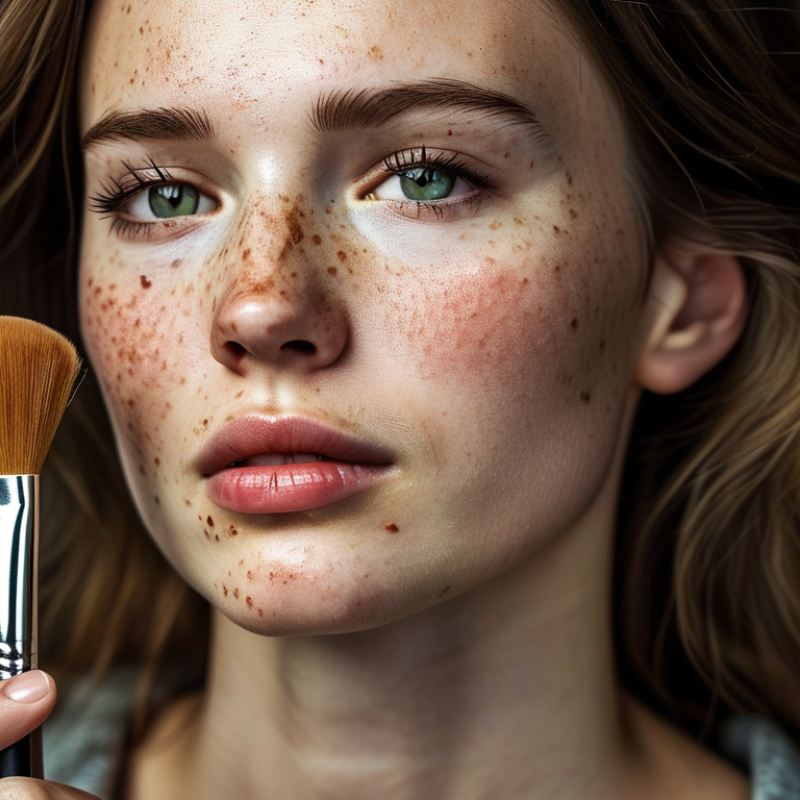
Understanding the Link Between Dirty Makeup Brushes and Acne
Dirty makeup brushes can be a breeding ground for bacteria. If you don’t clean your brushes regularly, these microorganisms can transfer to your skin. This transfer can lead to clogged pores, resulting in acne breakouts. The accumulation of oils, foundation residues, and dead skin cells creates an environment conducive to acne development.
Without proper cleaning, brushes can become sticky and discolored. Using them on your face can spread impurities. Many people may overlook how often they clean their brushes. A lack of awareness about this routine can cause unintended skin issues. It’s essential to develop a habit of regular brush cleaning. Simple soap and water may suffice, but some prefer specialized cleansers.
Reflect on how your habits impact skin health. Even with a good skincare routine, dirty brushes can sabotage your efforts. Consider setting a reminder to clean your tools. Embracing this practice helps maintain clear skin while emphasizing the connection between cleanliness and healthy beauty applications.
How Bacteria Thrive on Unclean Makeup Tools
Dirty makeup brushes can be a breeding ground for bacteria. When makeup tools are not cleaned regularly, they accumulate oils, dead skin cells, and makeup residue. These elements create a perfect environment for harmful bacteria to thrive. When applied to the skin, these pathogens can lead to breakouts and worsening acne.
Not only do dirty brushes transfer bacteria, but they can also irritate the skin. The application of makeup with unclean tools can lead to inflammation. This can further aggravate existing skin conditions. Many people forget to clean their brushes regularly. This oversight can contribute to ongoing skin issues and frustration.
Consider the texture of your brushes. If they feel gritty or caked with product, it’s time for a thorough cleaning. Reflect on how often you touch up your makeup during the day. Each time you do, you might be reintroducing bacteria to your skin. This connection highlights the importance of maintaining clean tools for healthy skin.
Symptoms of Acne Caused by Contaminated Brushes
Dirty makeup brushes can lead to various skin issues, including acne. When brushes are contaminated, they harbor bacteria, oil, and dead skin cells. Applying makeup with these brushes transfers impurities onto your skin. This can block pores and trigger breakouts.
Acne from contaminated brushes often appears as red, inflamed spots. You might notice small bumps or larger cystic lesions on your face. These symptoms may escalate with continued use of dirty tools. It's not just about occasional breakouts; it can worsen skin conditions like rosacea or eczema. If you observe your skin reacting negatively after using specific brushes, it may be time to reflect on your cleaning habits.
Regular cleaning is essential. Ideally, brushes should be washed weekly with gentle soap. However, many people neglect this routine. They might think occasional cleaning is sufficient. Remember, your brushes are a prime avenue for bacteria. If you're experiencing continuous acne issues, consider your brush hygiene seriously. A simple change could lead to healthier skin.
Best Practices for Cleaning and Maintaining Makeup Brushes
Keeping makeup brushes clean is essential for healthy skin. Dirty brushes can harbor bacteria, oils, and dead skin cells. These can lead to breakouts and other skin issues. Regular cleaning is a basic yet often neglected practice. Many people forget that brushes gather dirt over time. Even if they seem clean, unseen germs can linger.
A good cleaning routine involves using mild soap and warm water. Gently swirl the brushes in the solution to remove residue. Pay attention to the bristles and the ferule, where dirt accumulates. Rinse thoroughly to avoid soap buildup. After cleaning, reshape the bristles and lay them flat to dry. This helps maintain their shape and extends their lifespan.
It's easy to overlook brush care, yet it impacts skin health. Some might wash their brushes once a month, which isn’t enough. Aim for weekly cleans, especially for brushes used with liquid products. Remember, maintaining clean brushes is an investment in skin health. Regular cleaning can prevent future issues, but it requires discipline.
Preventive Measures to Avoid Breakouts from Makeup Application
Dirty makeup brushes can harbor bacteria and oils, leading to acne breakouts. According to a study published in the Journal of Cosmetic Dermatology, 90% of makeup tools are contaminated with bacteria. This creates an environment that encourages skin issues, especially for those already prone to acne.
To minimize the risk, proper hygiene is crucial. Clean brushes regularly, ideally after each use. A gentle soap or brush cleaner can break down oils and debris effectively. Consider dedicating a specific day for deep cleaning. Also, avoid sharing brushes. Sharing increases the likelihood of transferring bacteria, which can exacerbate acne.
Additionally, pay attention to the storage of your tools. Keep makeup brushes in a clean, dry place. Moist environments can lead to mold and fungi growth. Regularly inspecting brushes for damage or wear is also important. A frayed brush can apply makeup unevenly, leading to blocked pores and potential breakouts. Maintaining clean beauty tools is essential for healthy skin.
FAQS
: Dirty brushes accumulate oils and bacteria. This can cause breakouts and worsen acne.
Ideally, clean brushes after each use. Set a specific day for deep cleaning if needed.
Using unclean tools can irritate your skin. They may lead to inflammation and skin conditions.
If brushes feel gritty or caked with product, they need a thorough cleaning.
Sharing brushes increases bacteria transfer. It can worsen existing acne and skin issues.
Keep them in a clean, dry place. Moist environments can promote mold and fungi growth.
Yes, damaged brushes apply makeup unevenly. This may lead to blocked pores and breakouts.
A gentle soap or brush cleaner works well. It effectively breaks down oils and makeup residue.
Inspect for frayed bristles or damage. Worn brushes can impact application and skin health.
Each touch-up can reintroduce bacteria to your skin. This highlights the need for clean tools.
Conclusion
Dirty makeup brushes can indeed cause acne issues for individuals, as unclean tools serve as breeding grounds for bacteria. When makeup brushes are not properly cleaned, they can harbor impurities that can transfer to the skin during application, leading to breakouts and irritation. Symptoms of acne linked to contaminated brushes often include redness, swelling, and the appearance of pimples on the affected areas.
To mitigate these effects, it's essential to adopt best practices for cleaning and maintaining makeup brushes. Regularly washing brushes with appropriate cleansers can significantly reduce the risk of bacterial growth. Additionally, taking preventive measures—such as using clean brushes, avoiding sharing tools, and ensuring proper storage—can help maintain healthy skin and prevent acne caused by dirty makeup brushes.
 AMOVELLE Beauty
