AMOVELLE Beauty
When it comes to beauty routines, one question often arises: how often should you wash makeup brushes? According to renowned beauty expert Wayne Goss, “Dirty brushes can lead to breakouts and skin irritation.” Regular cleaning of makeup brushes is essential for maintaining skin health and obtaining flawless makeup application.
Most users underestimate the impact of dirty brushes. Residue from products can accumulate, harboring bacteria and dirt. However, many feel overwhelmed about how often to clean their brushes. It’s easy to think that occasional cleaning suffices, but that can compromise results.
Use the advice of professionals. Aim to wash brushes weekly, especially those used for liquid products. This frequency ensures your skin stays clear and your makeup looks its best. However, perfection in cleaning frequency is not always achievable. Life can get busy, and priorities shift. Reflecting on your routine is vital for improvement.
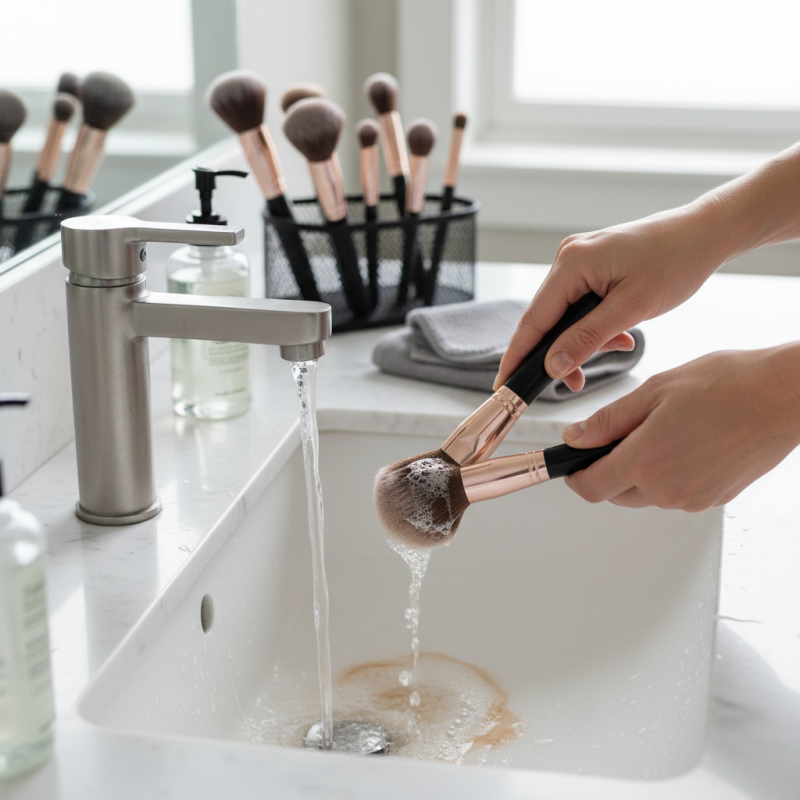
Regularly cleaning makeup brushes is essential for maintaining skin health and enhancing makeup application. A study from the American Academy of Dermatology suggests that unwashed brushes harbor bacteria, which can lead to skin irritations or breakouts. Brushes collect oils, dead skin cells, and product residue, creating a perfect breeding ground for germs. In fact, nearly 80% of women experience some form of acne related to dirty makeup tools.
When brushes are not cleaned, they become less effective. Makeup application can look uneven and patchy. According to a survey by a leading cosmetic company, 54% of users reported improved makeup performance after cleaning their brushes. This indicates how vital it is to include brush cleaning in a beauty routine. Many experts recommend washing brushes at least once a week for the best results.
Cleaning brushes also extends their lifespan. Quality brushes can be expensive, and neglecting their care can lead to premature wear. The bristles can become misshapen, affecting how the brush performs. Regular cleaning not only ensures better makeup application but also helps maintain the integrity of your tools. While many users recognize the importance of this practice, the routine often slips through the cracks. A weekly reminder or a visual cue can encourage better habits among makeup enthusiasts.
Makeup brushes are essential tools in beauty routines, yet they often go overlooked when it comes to cleanliness. The frequency of washing your brushes varies depending on their type and usage. According to the American Academy of Dermatology, it's vital to wash foundation brushes at least once a week. This is crucial because they collect oils and bacteria, which can lead to skin problems if left uncleaned.
Eye brushes require slightly less frequent washing. It's advisable to clean them every two weeks. Over time, these brushes can harbor eyeshadow residue and bacteria. Dirty eye brushes may increase the risk of infections. For blush and powder brushes, a monthly wash is generally sufficient. However, if you notice any residue or buildup sooner, clean them as needed.
It's important to reflect on your habits. Many users tend to skip regular cleaning altogether. In fact, a survey revealed that nearly 30% of makeup users clean their brushes less than once a month. This negligence can undermine even the best makeup techniques. Regular cleaning not only enhances makeup application but also promotes healthier skin.
Cleaning your makeup brushes is essential for maintaining skin health and product performance. A study by the American Academy of Dermatology found that over 50% of people neglect to clean their brushes regularly. This oversight can lead to breakouts and skin irritation.
To properly clean your brushes, start by rinsing the bristles under lukewarm water, making sure the water does not reach the ferrule. Apply gentle soap or brush cleaner to the bristles and lather. Rinse thoroughly until all product is gone. Finally, reshape the brushes and lay them flat to dry. It’s crucial to clean your brushes at least once a week. This creates a barrier against bacteria.
Tips: For a quick clean, spritz your brushes with a disinfectant spray after each use. This helps remove surface bacteria and makes washing easier later. Always keep brushes in a dry and cool place to prevent moisture accumulation. Regular cleaning not only improves brush longevity but also enhances makeup application.
Makeup brushes can harbor bacteria if not cleaned regularly. If you notice a change in your brush texture or color, it's a sign. A stiff bristle feeling or discoloration indicates makeup buildup. This buildup affects application quality and can lead to uneven looks.
Another major sign is skin irritation. If your brushes are causing breakouts or redness, wash them immediately. The residue from old makeup can clog pores and cause various skin issues. If your brushes smell unpleasant, it’s time for a wash. Odors suggest bacteria are present and need to be addressed promptly.
Pay attention to how different brushes feel on your skin. If the bristles feel harsh or scratchy, they likely need a clean. You should also consider how frequently you use them. Brushes used daily require washing more frequently. Don’t ignore these signs; neglecting brush hygiene can impact your beauty routine. Taking the time to clean can improve performance and protect your skin.
Makeup brushes are essential for achieving a flawless look, but they require proper maintenance. According to the American Academy of Dermatology, 67% of people do not wash their brushes regularly. This lack of cleanliness can lead to skin issues, such as breakouts and irritation. To prevent these problems, it is crucial to choose the right products for cleaning. Gentle soaps and dedicated brush cleaners effectively remove makeup residue and bacteria without damaging the bristles.
When it comes to techniques, a common recommendation is to wash brushes every 1-2 weeks. This frequency can vary based on usage. For someone who applies makeup daily, weekly cleaning is vital. A mixture of lukewarm water and a small amount of brush cleaner can help maintain hygiene. Dip the bristles, gently swirl them, and rinse thoroughly. Make sure the water does not flow into the ferrule, as this can loosen the glue holding the bristles. Allow brushes to dry flat to maintain their shape.
While these guidelines are helpful, many users still struggle. Some may forget routine cleaning or not invest time in the process. Checking the bristles for buildup can serve as a reminder. As a rule of thumb, if a brush feels stiff or looks dirty, it’s time for a wash. Prioritizing brush hygiene not only enhances makeup application but also protects the skin from harmful bacteria.
: Regularly cleaning brushes maintains skin health and enhances makeup application.
Unwashed brushes can harbor bacteria, leading to skin irritations or breakouts.
Experts recommend washing brushes at least once a week for optimal results.
Signs include a change in texture, discoloration, or an unpleasant smell.
Dirty brushes make application uneven and patchy, affecting overall appearance.
Yes, old makeup residue can clog pores and cause breakouts.
Neglect can cause bristles to become misshapen, affecting brush performance.
A weekly reminder or visual cue can help maintain good habits.
Scratchy bristles usually indicate that brushes need a thorough clean.
The routine often slips through the cracks, needing more awareness and effort.
Regularly cleaning makeup brushes is crucial for maintaining skin health and ensuring optimal makeup application. Dirty brushes can harbor bacteria, oils, and product buildup, leading to breakouts and uneven application. Answers to "how often should you wash makeup brushes" vary based on brush type; generally, it is recommended to wash foundation brushes once a week, while eye and lip brushes can be cleaned every two weeks.
To properly clean your brushes, follow a step-by-step guide that includes rinsing with lukewarm water, using a gentle cleanser, and reshaping the bristles before air drying. Additionally, be aware of signs indicating brushes need immediate washing, such as a noticeable change in texture or an unpleasant odor. Adopting the right products and techniques for hygiene will prolong the life of your brushes and enhance your overall makeup experience.
