Top Tips How to Choose the Right Makeup Brush Set?

Time:2026-10-14 Author:Oliver
0%

Choosing how to choose the right makeup brush set starts with understanding your routine, not chasing the largest collection. A professional kit may contain thirty brushes, but daily makeup often needs fewer than ten. The right set should match your products, skin texture, application habits, and cleaning routine. Soft bristles can blend foundation gently. Dense, firm fibers can press cream products into the skin. Shape matters more than quantity.

Market evidence supports this practical approach. Circana reported that U.S. prestige makeup sales grew 15% in 2023, reaching approximately $7.7 billion. As makeup use expands, consumers face more product textures and application techniques. Grand View Research also identifies makeup tools as a growing beauty category, driven by professional-style results at home. These reports do not prove that expensive brushes perform better. They show why informed selection matters.

Makeup artist Wayne Goss has shared a useful principle: “The right brush can make all the difference.” That idea sounds simple, but it deserves testing. Hold each brush near your cheek. Check whether the handle feels balanced and the fibers feel smooth. Look for secure ferrules and minimal shedding. A flawless set does not exist. Some brushes may work beautifully for blush but poorly for liquid foundation. That is normal. In this guide, we will explain how to choose the right makeup brush set through bristle type, brush shape, product compatibility, durability, hygiene, and budget. Your best set may be modest, washable, and slightly imperfect.
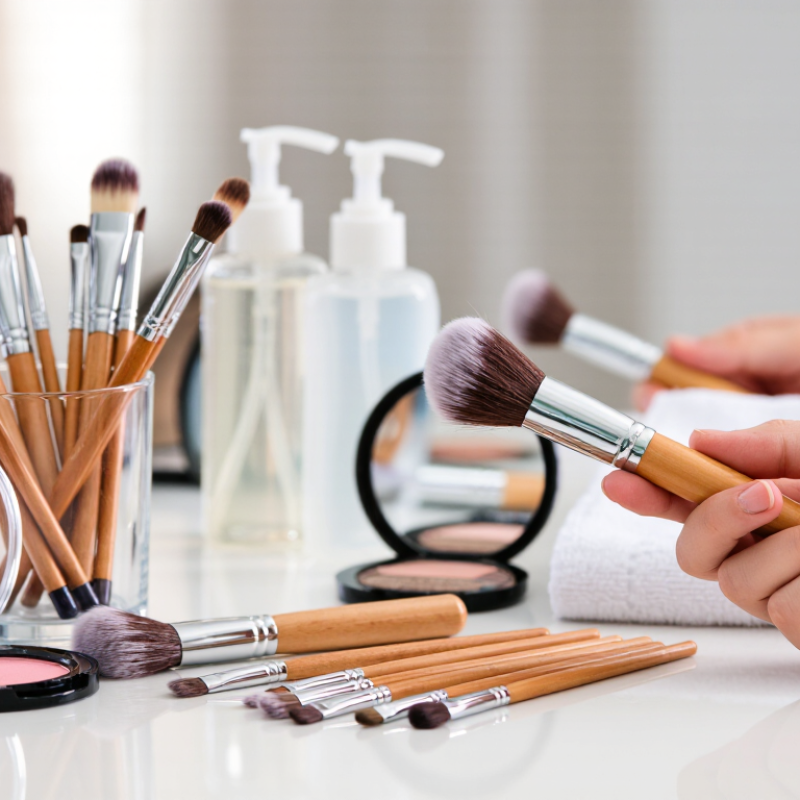
Top Tips How to Choose the Right Makeup Brush Set?

Identify Your Makeup Routine and Brush Needs

Your makeup routine should decide your brush set, not a colorful package or a long product list. Watch what you actually use for one week. Note whether you apply foundation, concealer, blush, bronzer, eyeshadow, or liner. A simple routine may need five reliable brushes. A detailed routine may require several shapes and sizes. Do not buy brushes for techniques you rarely practice.

For liquid foundation, choose a dense, soft brush that spreads product without leaving obvious streaks. A smaller tapered brush can reach around the nose and under the eyes. Powder products usually work well with fuller, flexible bristles. Blush needs controlled movement, so a medium angled or rounded brush can prevent harsh edges. For eyeshadow, one flat brush packs on color, while a fluffy brush blends the crease. I often find one small detail brush useful for inner corners and lower lashes.

Consider your storage, washing habits, and skin sensitivity. Synthetic fibers are practical for many cream products and are usually easier to clean consistently. Check the handle length if you travel or work near a small mirror. Hold each brush if possible. It should feel balanced, not slippery. Clean brushes regularly with gentle soap and let them dry horizontally. I sometimes keep too many brushes and use only a few. That mistake reminds me to choose tools by habit, comfort, and actual control. Test your routine before expanding the set.

Learn the Main Types and Uses of Makeup Brushes

Choosing makeup brushes becomes easier when each shape has a clear job. A flat foundation brush spreads liquid base across cheeks and forehead. Its firm, dense bristles help create even coverage. A smaller concealer brush reaches beside the nose and under the eyes. Use tapping motions there, not harsh dragging.

A powder brush should feel soft and loose. It dusts setting powder over the T-zone without leaving a heavy patch. An angled blush brush fits the cheekbone and adds color with controlled strokes. A tapered blending brush softens eyeshadow edges in the crease. A flat eyeshadow brush presses pigment onto the lid. For brows, a thin angled brush creates short, hairlike marks. A spoolie then blends them. Small details matter.

When choosing a set, check whether the handles feel balanced and the bristles return to shape. Natural or synthetic fibers can both work, depending on the formula and your preference. I wash face brushes regularly with mild cleanser and let them dry flat. Damp brushes can hold residue. I still sometimes buy a brush that looks useful but stays untouched. That mistake taught me to choose tools for my routine, not for a crowded collection. Now I pay attention to the brushes that actually leave my skin looking even.

Compare Brush Materials, Shapes, Density, and Quality

Choosing the right makeup brush set starts with materials, not a large brush count. Synthetic fibers are usually smoother, easier to wash, and suitable for liquid or cream products. Natural fibers can feel softer and hold powder well, but they may absorb more product. McKinsey’s 2023 beauty market report projects global beauty sales could reach about $580 billion by 2027. That growth means more choices, not always better quality. Feel the tips on your wrist. They should feel soft, spring back, and resist shedding.

Tip: Check the ferrule and handle. A tight ferrule, balanced grip, and clean seams often signal better construction.

Shape controls precision. A flat foundation brush spreads product across cheeks, while a rounded buffing brush softens edges around the nose. Small tapered brushes help place concealer. For eyes, dense flat bristles pack color; loose domed bristles blend it. Density matters too. Very dense fibers give stronger coverage, while airy fibers create a lighter finish. I still sometimes choose a dense brush for blush and apply too much. That mistake is useful feedback.

Tip: Test one brush with your usual product. Compare coverage, streaking, and washing time before buying a full set.

Quality also appears after cleaning. ISO 22716 cosmetic good-manufacturing guidance emphasizes controlled production and contamination prevention. A reliable brush should keep its shape after gentle washing and dry without a sour odor. Avoid sets with uneven tips or visible glue. A perfect set does not exist. Choose the shapes you will actually use.

Top Tips: How to Choose the Right Makeup Brush Set? — Compare Brush Materials, Shapes, Density, and Quality

Brush Category Recommended Material Shape Density Best Product Type Application Result Quality Indicators
Foundation Brush Synthetic fibers, such as nylon or polyester Flat, rounded, or dense buffing head Medium to high Liquid, cream, and stick foundation Even coverage with controlled blending Uniform tips, firm but flexible fibers, secure ferrule, and no visible shedding
Concealer Brush Synthetic fibers Small, flat, tapered, or rounded Medium to high Liquid and cream concealer Precise placement around the eyes, nose, and blemishes Smooth edges, minimal product absorption, and a tip that keeps its shape
Powder Brush Natural hair or soft synthetic fibers Large, rounded, or domed Low to medium Loose and pressed powder Light, diffused, and buildable coverage Soft flexible fibers, a full profile, balanced weight, and reliable powder pickup
Blush Brush Soft natural hair or synthetic fibers Angled, rounded, or tapered Low to medium Powder, cream, and hybrid blush Controlled color placement with soft edges Tapered sides, springy fibers, and enough flexibility to blend without lifting base makeup
Contour Brush Synthetic fibers for creams; natural or synthetic for powders Angled, tapered, or narrow oval Medium Cream, stick, and powder contour Defined placement that can be diffused gradually Controlled flexibility, tapered edges, and a shape that follows cheekbones and jawline
Highlighter Brush Soft synthetic or natural hair Tapered, fan, or small oval Low to medium Powder and cream highlighter Sheer, luminous application without harsh edges Fine tips, light pressure, even pickup, and fibers that do not scratch the skin
Eyeshadow Shader Brush Synthetic fibers for creams; natural or synthetic for powders Flat and compact Medium to high Powder, cream, and shimmer eyeshadow Concentrated color payoff on the lid Dense, flat surface, neat edges, and fibers that do not separate during pressing
Eyeshadow Blending Brush Soft natural hair or synthetic fibers Rounded, tapered, or domed Low to medium Powder and some cream eyeshadow Seamless transitions and softer crease definition Flexible outer fibers, a tapered profile, and no scratchy or uneven tips
Eyeliner Brush Firm synthetic fibers Angled, fine-point, or flat definer High at the tip Gel, cream, and wet powder products Sharp, controlled lines and detailed work A stable point, minimal splaying, and a ferrule that holds the tip securely
Brow Brush Firm synthetic fibers Small angled brush, often paired with a spoolie Medium to high Brow powder, pomade, and gel Fine strokes and defined brow edges Thin, resilient edge; consistent angle; and a spoolie with evenly distributed bristles
Lip Brush Firm synthetic fibers Small flat or pointed tip Medium Lipstick, gloss, and lip pigments Precise outline and even color distribution Compact tip, smooth edges, comfortable grip, and low product waste
Quick Selection Guide: Choose synthetic fibers for liquid, cream, and hygiene-focused applications because they generally absorb less product and are easy to clean. Choose natural hair or soft synthetic fibers for diffused powder application. Higher density provides stronger coverage and precision, while lower density creates a lighter, softer finish. A high-quality brush should have evenly cut fibers, a secure ferrule, a balanced handle, minimal shedding, and no scratchy texture.

Choose the Right Set Size, Budget, and Product Compatibility

Choosing a makeup brush set starts with an honest estimate of your routine. Count the tools you use weekly, not the twenty-piece set that looks impressive online. A compact set of five to eight brushes often covers foundation, concealer, powder, blush, and eyeshadow. If you create detailed eye looks, add several small blending and liner brushes. More is not always better. In my experience, unused brushes usually collect dust and complicate cleaning.

Set a budget before comparing materials, handles, or storage cases. A lower-priced set can work well when bristles feel soft, spring back, and release product easily. Check for loose fibers by gently pulling across your clean hand. A few shedding hairs may happen at first, but persistent shedding is a warning. Also inspect the ferrules and seams. A modest set that lasts two years can cost less than replacing a cheap set repeatedly. I misjudge this sometimes.

Match the brush shape to both your products and skin needs. Dense, flat brushes spread liquid foundation with controlled coverage, while softer, rounded tools suit powder. Cream blush usually needs a brush that blends without dragging the skin. For sensitive skin, choose smooth synthetic fibers and wash them regularly with a gentle cleanser. Product instructions and professional sanitation guidance deserve attention, especially when brushes are shared. Test one tool before buying the full set. Your preferred finish may differ from online demonstrations.

Check Cleaning, Storage, and Long-Term Maintenance Requirements

Top Tips: How to Choose the Right Makeup Brush Set?

A good brush set should make cleaning practical, not frustrating. Before buying, check whether the bristles tolerate regular washing. Synthetic fibers usually dry faster and resist product buildup. Natural fibers may need gentler care and more drying time. Read the care instructions carefully. Vague instructions can signal future trouble.

I wash frequently used brushes every seven to ten days. Cream products often need more attention. I use lukewarm water, mild cleanser, and clean my palms before handling each brush. Water should flow downward, away from the ferrule and handle. Never soak the whole brush. Moisture can loosen the glue. Dry brushes flat on a clean towel, with the bristles extending slightly beyond the edge.

Storage also affects durability. A ventilated holder keeps brushes upright and prevents damp bristles from touching dirty surfaces. Closed cases are useful for travel, but brushes must be completely dry first. I once stored a slightly damp brush overnight. It developed a musty smell, and the bristles lost their shape. That mistake was avoidable. Check the handle, ferrule, and brush tips every few weeks. Loose parts, shedding, or cracked handles deserve attention. Some brushes can last for years, but only with consistent care. A crowded container may look convenient. It can bend delicate bristles.

FAQS

How many makeup brushes does a typical routine need?

Five to eight brushes often cover foundation, concealer, powder, blush, and eyeshadow. Less is often enough. Add small blending or liner brushes for detailed eye looks.

How should I set a budget for a brush set?

Decide your budget before comparing materials, handles, and storage cases. A modest set may last longer than repeatedly replacing cheap brushes. I still misjudge this sometimes.

How can I check brush quality before buying?

Look for soft bristles that spring back and release product easily. Gently pull the fibers across your clean hand. Persistent shedding is a warning sign.

Which brush shapes suit different makeup products?

Dense, flat brushes spread liquid foundation with controlled coverage. Soft, rounded brushes work well with powder. Cream blush needs a brush that blends without dragging skin.

What brushes are suitable for sensitive skin?

Choose smooth synthetic fibers and wash them regularly with a gentle cleanser. Test one brush first. Your preferred finish may differ from online demonstrations.

How often should makeup brushes be washed?

Wash frequently used brushes every seven to ten days. Cream products may require more frequent cleaning. Use lukewarm water and a mild cleanser.

How should brushes be washed and dried?

Keep water flowing downward, away from the ferrule and handle. Never soak the entire brush. Dry brushes flat on a clean towel, with bristles slightly over the edge.

How should makeup brushes be stored?

Store dry brushes upright in a ventilated holder. Keep damp bristles away from dirty surfaces. For travel, use a closed case only after brushes are completely dry.

What maintenance problems should I watch for?

Check brush tips, handles, and ferrules every few weeks. Shedding, loose parts, cracked handles, or bent bristles need attention. A crowded container can cause damage.

Conclusion

Learning how to choose the right makeup brush set starts with understanding your personal makeup routine. Consider whether you mainly apply foundation, concealer, blush, eyeshadow, contour, or detailed eye makeup, then select brushes that match those needs instead of buying an oversized set. Familiarize yourself with the main brush types, including their shapes, sizes, and intended uses, so each tool can provide accurate and even application.

When comparing sets, examine the brush materials, softness, density, shape, stitching, and overall construction. Choose a set size and price that fit your budget while ensuring the brushes work well with your preferred powder, cream, or liquid products. It is also important to consider long-term care. Look for practical storage options and establish a regular cleaning routine to protect the bristles, maintain performance, and support healthy application. A well-chosen set should be useful, comfortable, durable, and suited to your everyday beauty habits.

Oliver

Oliver

Oliver is a seasoned marketing professional with a wealth of expertise in driving brand awareness and engagement. With a deep understanding of our company's product offerings, he consistently delivers high-quality content that enriches our professional blog. His insights not only shed light on......