AMOVELLE Beauty
Achieving flawless foundation application can seem daunting. Many struggle with uneven finishes or cakey textures. Understanding how to use makeup brushes for foundation is crucial. Choosing the right brush can transform your makeup routine.
Different brushes serve specific purposes. A dense brush may provide full coverage, while a fluffy one creates a lighter finish. Experimenting with these tools leads to more personalized results. It’s important to assess your skin type and needs. Products can react differently based on application method.
Practicing with various techniques can lead to imperfections. Sometimes the foundation may not blend as seamlessly as hoped. Reflecting on these moments can enhance your skills. Mastering makeup brushes takes time and patience. Embrace the learning process and discover your unique style.
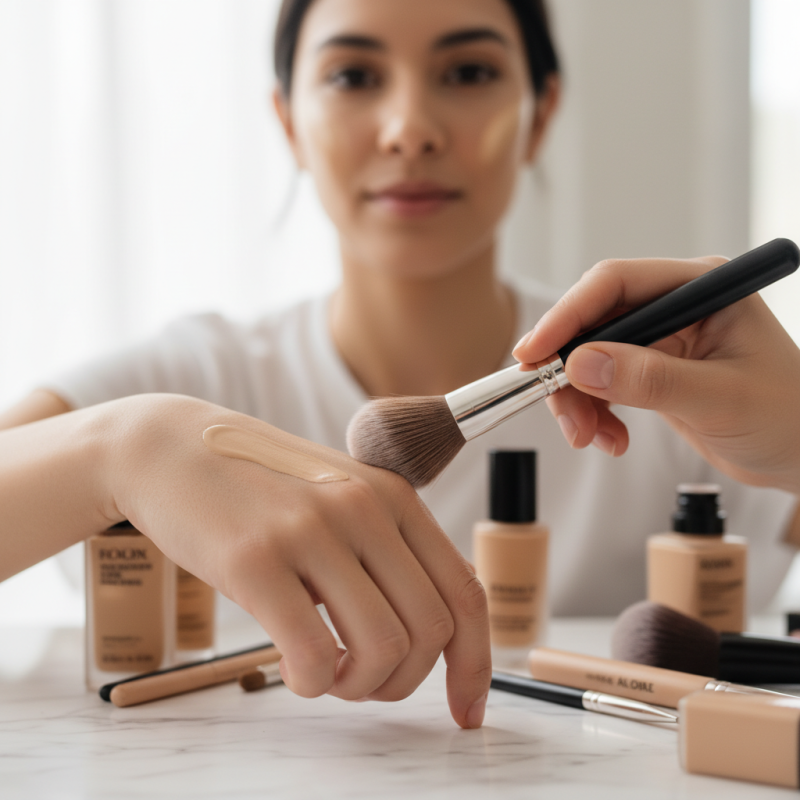
Choosing the right makeup brushes for foundation application is crucial for a flawless finish. A dense foundation brush works well for cream or liquid foundations. Its bristles help distribute the product evenly, ensuring smooth coverage. A flat-top brush can help push the foundation into the skin, covering imperfections.
For those who prefer a lighter finish, a stippling brush is ideal. It blends products seamlessly, giving a more natural look. Often, people struggle with brush selection. Each type has a specific use, and mismatches can lead to streaks.
Inspecting brush quality is also important. Synthetic brushes are great for liquid products, while natural bristles suit powder formulas. Cleaning brushes regularly is essential to maintain their effectiveness. Neglecting this can cause uneven application and skin issues. Selecting the right brush can take time, but the effort pays off in enhanced makeup results.
Preparing your skin before applying foundation is crucial for a perfect finish. Skin preparation impacts how foundation sits on your face. A report by the American Academy of Dermatology showed that 65% of people experience skin issues exacerbated by improper makeup routines.
Begin with cleansing your face. This step removes dirt and excess oils. This not only clears the canvas but also prevents breakouts. A clean surface allows the foundation to adhere better. After cleansing, apply a suitable moisturizer. Look for lightweight, non-comedogenic options to avoid clogging pores. Research indicates that moisturized skin can enhance foundation wear time by up to 30%.
Don't overlook the importance of primer. It helps bridge the gap between skin and makeup. Many users report smoother application when they use primers. However, not all primers work for every skin type. It may take time to find the right one. Be patient and reflect on your skin's needs. Take notes on your experiences. Adjustments might be necessary based on seasonal changes or skin conditions. This preparation process is neither quick nor perfect, but it lays the foundation for a flawless makeup look.
| Step | Action | Tool | Tips |
|---|---|---|---|
| 1 | Cleanse your face | N/A | Use a gentle cleanser suitable for your skin type. |
| 2 | Exfoliate | Exfoliating scrub | Exfoliate 2-3 times a week for smoother skin. |
| 3 | Moisturize | Moisturizing cream | Choose a moisturizer that matches your skin type. |
| 4 | Apply Primer | Makeup primer | Use a primer to help foundation adhere better. |
| 5 | Choose the Right Brush | Foundation brush | Select a brush type based on your desired finish. |
When it comes to applying foundation flawlessly, the choice of brush makes a significant difference. Each brush serves a unique purpose, especially with different foundation types.
For liquid foundations, a dense, flat brush creates a smooth finish. The key is to start from the center of your face and blend outwards. Use short strokes to avoid heavy patches. Remember, less is more. Too much product can make blending difficult.
For cream foundations, a tapered brush is ideal. This type allows for precision around the nose and eyes. It's essential to work quickly, as cream formulas can set fast. If you notice streaks, consider using your fingers to gently press and soften the edges. Don’t shy away from imperfections; they can add to a natural look.
Powder foundations often benefit from a fluffy brush. Swirl the brush lightly in the product and tap off excess. This prevents a cakey appearance. A common mistake is applying too much pressure. Let the brush do the work to achieve a seamless finish. Always check your work in natural light, as indoor lighting can conceal uneven spots.
Achieving a flawless foundation application relies heavily on effective blending techniques. Start with a clean, damp makeup brush. Dampen the brush slightly to help the foundation glide smoothly on the skin. This creates an even layer. Dip the brush into your foundation and begin applying it in small sections. Use circular motions to blend the product seamlessly into your skin. This technique helps avoid harsh lines and patchiness.
It's crucial to blend well around the edges of your face. Don’t forget areas like the jawline and around the nose. These spots often get overlooked, leading to a less polished look. An important consideration is the right amount of pressure. Too much can create streaks; too little can leave product sitting on the skin. Find that middle ground for the best result.
Many people struggle with blending, resulting in uneven patches. If you notice your foundation isn’t blending well, take a moment to assess your technique. A little practice is key. Sometimes, switching brushes can also make a significant difference. A brush with dense bristles might work better for creamy foundations, while a fluffy one is ideal for lighter formulations. Embrace these learning moments; they enhance your makeup skills over time.
Cleaning makeup brushes is essential for maintaining their performance and hygiene. Dirty brushes can harbor bacteria, leading to skin issues. Regular cleaning removes residue, ensuring flawless foundation application. Aim to clean your brushes weekly, especially those used for liquid products.
Use lukewarm water and a gentle soap. Swirl the brush in your palm to loosen dirt. Avoid soaking the brush head to prevent damage. Rinse thoroughly and reshape the bristles. Lay them flat to dry; standing them upright might cause water to seep into the ferrule, ruining the brush.
Incorporate this routine into your makeup regimen. It may seem tedious at times, but a clean brush can drastically improve your application. Reflect on your habits—are you neglecting this step? Investing time in brush care enhances your makeup results over time. Sharing tips and techniques helps create a community that values quality and cleanliness.
: Skin preparation ensures that the foundation adheres better and provides a smoother finish.
Begin by cleansing your face to remove dirt and excess oils. This creates a clean canvas.
Moisturized skin can enhance foundation wear time by up to 30%. It prevents dryness and flaking.
Primers help create a smooth base for makeup. They help foundation sit better on the skin.
It may take time to find the right primer. Reflect on your skin needs and try different options.
A dense, flat brush works well for liquid foundations. Start at the center and blend outwards.
Use a tapered brush for precision. Work quickly, and if streaks occur, use your fingers to soften edges.
Cleaning brushes prevents bacteria buildup, ensuring better application and reducing skin issues.
Use lukewarm water and gentle soap, swirl in your palm, rinse thoroughly, and reshape bristles.
Dirty brushes can lead to uneven application and skin problems. Regular care improves your makeup experience.
In the quest for a flawless foundation application, understanding how to use makeup brushes for foundation is essential. Start by choosing the right brushes tailored for your foundation type, whether it be liquid, cream, or powder. Prepare your skin by cleansing and moisturizing, ensuring a smooth canvas for application.
Familiarize yourself with various techniques for utilizing makeup brushes, as different foundation textures may require distinct approaches. Mastering blending techniques will further enhance the seamless finish, allowing your foundation to look natural and even. Lastly, maintaining the longevity of your brushes through regular cleaning is crucial, as this not only prolongs their life but also ensures a hygienic application. By following these steps, you can achieve a beautiful and flawless foundation look every time.
