How to Use China Top Makeup Brushes for Foundation?

Time:2026-10-22 Author:Sophia
0%

Choosing the right tool is only half the foundation process. Learning how to use makeup brushes for foundation creates a smoother, more controlled finish. China’s top makeup brushes often combine dense synthetic fibers, balanced handles, and carefully fitted ferrules. These details matter when applying liquid, cream, or serum foundation.

Professional makeup artist Lisa Eldridge has said, “The best foundation is the one that looks like skin.” That principle guides every brush movement. A flat brush can place product around the nose and eyes. A rounded buffing brush can soften edges across the cheeks. A damp sponge may reduce visible brush marks, although it can absorb more product.

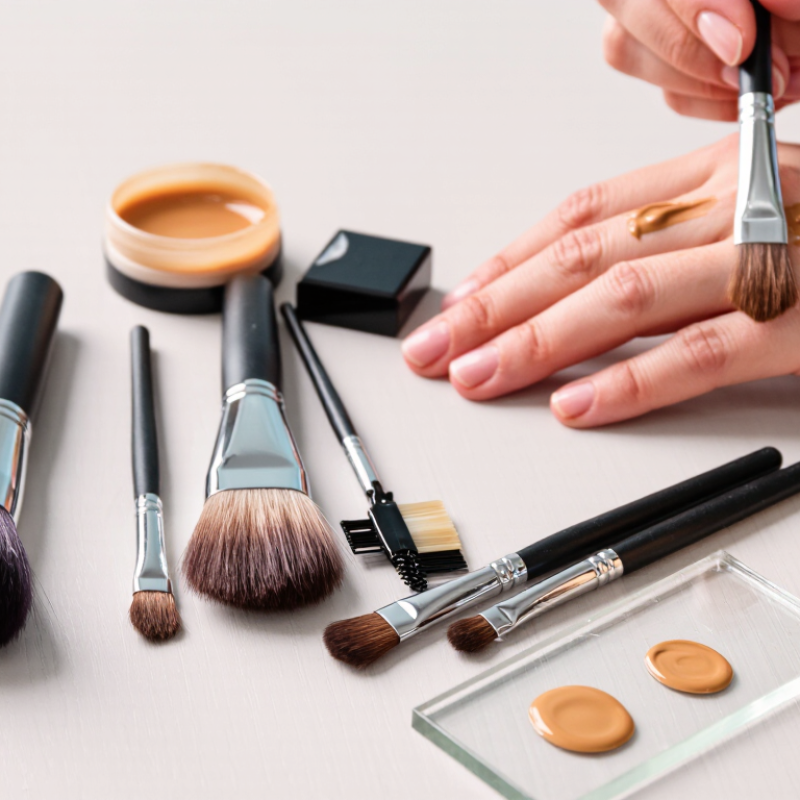
Start with a clean, moisturized face. Apply a small amount of foundation to the back of your hand. Pick up a thin layer with the brush, then press it onto the center of your face. Work outward using short strokes or gentle circular motions. Keep the pressure light.

Less product helps.

A high-quality Chinese brush should feel soft, not scratchy. Its fibers should return to shape after washing. However, “top” does not always mean perfect. Some brushes shed slightly during early use. Others may feel too dense for dry skin. I have sometimes over-buffed my cheeks and removed coverage instead of improving it. That mistake is useful. It shows why slow layering works better than heavy application.

This guide will examine brush shapes, fiber choices, preparation, movement, cleaning, and common errors. The goal is not a mask-like finish. It is an even complexion that still looks like real skin.
How to Use China Top Makeup Brushes for Foundation?

Choosing the Right China-Made Foundation Brush

When choosing China-made foundation brushes, inspect construction before appearance. Grand View Research reported that the global makeup brush market was valued at about USD 1.9 billion in 2023. This growth increases choice, but not every factory offers equal consistency.

Start with the bristles. Look for evenly tapered synthetic fibers, a firm center, and soft edges. Drag the brush across your inner wrist. It should feel smooth, not scratchy. Check the ferrule for clean joints and gentle pressure. A loose ferrule can shed fibers into liquid foundation. The handle should feel balanced between your thumb and index finger. Small details matter.

Ask the supplier for batch-control records, fiber specifications, and independent safety testing. ISO 22716 concerns cosmetic good manufacturing practices, but it does not automatically certify a brush. Clarify what the factory actually verifies. Intertek’s consumer-product testing guidance emphasizes material safety, durability, and performance checks. Those checks are useful, especially for repeated washing. Test one sample after ten washes. I would not trust a beautiful first impression alone.

Choose a dense, rounded head for medium coverage. Choose a flatter shape for faster application around the nose and jaw. A 2024 Euromonitor beauty report describes continued demand for convenient, high-performance tools. That supports practical designs, not merely decorative handles. I still prefer checking a brush under bright light. Some uneven fibers appear only then. My own judgment can be inconsistent, so written inspection standards are worth keeping.

Preparing Your Skin and Brush Before Application

How to Use China Top Makeup Brushes for Foundation?

Preparing Your Skin and Brush Before Application

A flawless base begins before the brush touches your face. Cleanse with a mild, non-stripping cleanser, then pat dry with a fresh towel. Apply a lightweight moisturizer and wait two minutes. This pause reduces pilling and softens dry patches. The American Academy of Dermatology recommends washing cosmetic brushes every seven to ten days. For acne-prone skin, I clean mine more often.

Check the brush under bright light. Dense, springy fibers spread liquid foundation more evenly, while rough edges can leave streaks. Wash a new brush before its first use, even when sealed. Use lukewarm water and gentle soap. Keep the handle above the ferrule. Trapped water may weaken the glue. A 2019 study in the Journal of Applied Microbiology found frequent microbial contamination on used makeup tools, especially damp ones. Do not share them. Let the brush dry horizontally, with the bristles extending beyond the counter.

Place one pump of foundation on a clean palette, not your hand. Tap the brush lightly, then press product onto the center of your face. Blend outward with short strokes. Use the brush tip around the nose. I sometimes apply too much near my jaw. A damp sponge corrects that better. Skin texture changes daily, so preparation needs adjustment. On humid mornings, I use less moisturizer. On cold days, I wait longer before blending.

Applying Foundation with Controlled Brush Techniques

How to Use China Top Makeup Brushes for Foundation?

Applying Foundation with Controlled Brush Techniques

A well-made foundation brush should feel balanced, not heavy, in your hand. Dense synthetic fibers usually spread liquid foundation evenly and resist absorbing too much product. Before application, check that the bristles feel smooth against your wrist. Any scratchiness can become uncomfortable around the nose and eyes.

Place a small amount of foundation on the back of your clean hand. Use the brush to pick up a thin layer. Start at the center of the face, where redness and uneven tone are often stronger. Press and gently stipple around the cheeks, nose, and chin. Then use short outward strokes toward the jawline. Keep your pressure light. Heavy pressure can move the product instead of blending it.

Work in small sections. A controlled brush should leave a soft, even film rather than visible lines. I sometimes apply too much near my nose, so I turn the brush sideways and use its edge for precision. The finish is not always perfect on the first pass. That is normal. Add a second thin layer only where coverage remains weak. Do not repeatedly brush dry areas, because this can lift the foundation underneath.

Clean the brush after each use with mild cleanser and lukewarm water. Shape the bristles gently and dry the brush horizontally. This routine protects the fibers and supports more reliable application over time.

How to Use China Top Makeup Brushes for Foundation? - Applying Foundation with Controlled Brush Techniques

Application Stage Recommended Brush Structure Controlled Technique Foundation Amount Coverage Result Best Use
1. Preparation Clean, soft synthetic bristles with medium density Apply skincare first and allow it to absorb for approximately 2–5 minutes before brushing on foundation. No foundation Smoother, more even base All skin types
2. Initial Placement Flat or slightly rounded foundation brush, medium-to-dense fibers Place small dots on the forehead, cheeks, nose, and chin. Start at the center of the face. 1 pump or approximately 0.25–0.35 ml Light, even first layer Sheer to medium makeup
3. Broad Blending Rounded buffing brush with dense, flexible synthetic bristles Use short circular motions from the center outward. Reduce pressure near the jawline and hairline. Use the initial amount before adding more Medium, seamless coverage Normal to combination skin
4. Detail Blending Small tapered brush with flexible, closely packed fibers Use gentle tapping around the sides of the nose, inner eyes, and corners of the mouth. A half-pump or approximately 0.10–0.15 ml More precise spot coverage Areas requiring extra control
5. Targeted Layering Compact, flat-top brush with dense synthetic bristles Press and stipple a thin second layer over redness or discoloration. Avoid repeatedly dragging the product. One small drop per target area Medium to fuller localized coverage Blemishes, redness, and uneven tone
6. Texture Refinement Soft, loosely packed finishing brush Lightly sweep or bounce over visible brush marks using minimal pressure. No additional product More natural-looking finish Dry, mature, or textured skin
7. Edge Control Small angled or tapered brush with medium flexibility Feather product toward the ears, hairline, and jaw. Check the transition in natural light. Residual product on the brush Reduced visible demarcation Natural face-to-neck transition
8. Brush Maintenance All foundation brushes Clean after each use when possible; wash with mild cleanser, rinse thoroughly, reshape, and dry horizontally. Not applicable More consistent application Hygiene and brush longevity
Practical control rule: Build coverage gradually, use less pressure at the edges, and keep the brush movement short and deliberate to prevent streaks and excess product buildup.

Blending and Building Coverage Evenly

How to Use China Top Makeup Brushes for Foundation?

Blending and Building Coverage Evenly

A quality foundation brush can create a smoother finish when you control pressure and product amount. I usually place a small amount of foundation on the back of my hand. Then, I tap the brush into it instead of loading the whole surface. This prevents heavy patches around the nose and cheeks.

Start at the center of the face, where coverage is often most needed. Use short tapping motions over redness and visible pores. For wider areas, sweep gently outward with the brush held almost flat. Keep the pressure light. A dense brush can spread foundation quickly, but pressing too hard may leave streaks or lift the product underneath.

Build coverage slowly. Wait a few seconds between thin layers, especially over textured skin. Check the jawline and hairline in natural light. I sometimes add too much foundation when working under bright bathroom lighting. That mistake taught me to step away from the mirror and reassess the finish. If an edge looks visible, soften it with clean, small circular motions. Do not add more product immediately.

Clean the brush after several uses, or sooner when the bristles feel stiff. A mild cleanser and thorough rinsing help maintain an even application. Let the brush dry with its bristles facing downward or resting horizontally. I prefer testing a new brush on one cheek first, because softness and density can feel different than expected.

Cleaning and Storing Your Foundation Brush Properly

A quality foundation brush needs more than careful application. Its dense bristles can hold pigment, oil, and moisture after each use. The American Academy of Dermatology Association recommends washing makeup brushes every seven to ten days. The U.S. Food and Drug Administration also warns that shared or contaminated cosmetics may spread harmful microorganisms. These points make cleaning a hygiene habit, not merely a beauty preference.

I rinse the bristles with lukewarm water, keeping the handle upward. Water should not enter the ferrule, where glue can weaken. I apply a gentle cleanser, massage from the base outward, and rinse until the water runs clear. Then I press the brush inside a clean towel. I never dry it standing upright. That mistake can push water into the handle. Let it dry flat, with the bristles extending slightly beyond a table edge. It may take overnight.

Tips: Clean it every seven to ten days, or sooner after heavy foundation use. Store it in a ventilated holder after complete drying. Avoid sealed cosmetic bags while the brush still feels cool or damp. A breathable pouch is better for travel. Check the bristles weekly. If they smell sour, shed heavily, or feel stiff, replace the brush. I sometimes clean too quickly before work, and the center remains damp. A quick touch test is not enough. Patience protects the brush and the skin.

FAQS

How should I prepare my skin before applying foundation?

Cleanse with a mild cleanser, then pat your face dry with a fresh towel. Apply lightweight moisturizer. Wait two minutes before blending.

Why should I inspect the brush before using it?

Check it under bright light. Dense, springy fibers usually spread liquid foundation smoothly. Rough edges may create visible streaks.

Should I wash a new foundation brush?

Yes. Wash it before the first use, even if it arrives sealed. Use lukewarm water and gentle soap.

How much foundation should I place on the brush?

Put one pump on a clean palette, not your hand. Tap the brush lightly. Press product onto the center of your face.

What technique helps create an even base?

Blend outward with short strokes. Use the brush tip around your nose and other narrow areas. Heavy pressure can leave too much product.

How often should I wash my foundation brush?

Wash it every seven to ten days. Clean it sooner after heavy use or when it feels oily. I sometimes wait too long.

How can I wash the brush without damaging it?

Keep the handle above the metal section. Massage cleanser from the bristles’ base outward. Rinse until the water runs clear.

How should I dry and store the brush?

Press it inside a clean towel. Dry it flat, with the bristles extending beyond the counter. Keep it away from sealed bags while damp.

How can I tell when the brush needs replacing?

Replace it if the bristles smell sour, shed heavily, or feel stiff. A quick touch test can miss moisture inside. Check it carefully.

Conclusion

Learning how to use makeup brushes for foundation begins with choosing a well-made China-produced brush that matches your preferred finish. Select a soft, densely packed brush for liquid or cream foundation, and consider the shape: a flat brush offers precise placement, while a rounded or angled brush helps reach the contours of the face. Before application, cleanse and moisturize your skin, then allow skincare products to settle. Make sure the brush is clean and slightly damp only when appropriate for the formula.

Apply a small amount of foundation to the back of your hand or a palette, then distribute it across the forehead, cheeks, nose, and chin. Use gentle tapping, short strokes, or small circular motions instead of pressing too hard. Build coverage gradually, blending from the center of the face outward to avoid visible edges and uneven texture. After use, wash the brush with mild cleanser, rinse thoroughly, reshape the bristles, and let it dry flat or upright with the bristles facing downward. Store it in a clean, ventilated place to maintain its softness and performance.

Sophia

Sophia

Sophia is a dedicated marketing professional with an exceptional depth of knowledge about her company's products and services. With a keen understanding of market trends and customer needs, she crafts insightful blog posts that not only inform but also engage readers, enriching the company’s online......