AMOVELLE Beauty
When consumers ask, “why do makeup brushes smell bad,” the answer is rarely one simple manufacturing fault. A new brush may release odors from synthetic fibers, natural hair, adhesives, dyes, coatings, or packaging materials. During production, these components can retain solvents or moisture. Sealed plastic packaging may then trap the smell, making it stronger when the package opens.
The odor may also indicate poor drying, contaminated storage, or inconsistent factory hygiene. However, smell alone does not prove that a brush is unsafe. A professional assessment should examine the fiber type, adhesive formula, production records, ventilation, and microbial test results. In quality-control work, I would also compare samples from different batches and inspect them after washing. That evidence matters.
Not every explanation is complete.
Some manufacturers blame packaging too quickly. Retailers may overlook damp warehouse conditions. Consumers may also confuse a chemical scent with a natural animal-hair odor. These details can change the investigation. A trustworthy article should therefore separate unpleasant smell from confirmed contamination, skin irritation, or material failure. It should explain what manufacturers can test, what buyers can observe, and when a product deserves replacement. Clear labeling, adequate curing time, dry storage, and breathable packaging can reduce preventable odors. Still, no single control solves every case. Manufacturing quality depends on materials, process discipline, testing, and honest reporting.
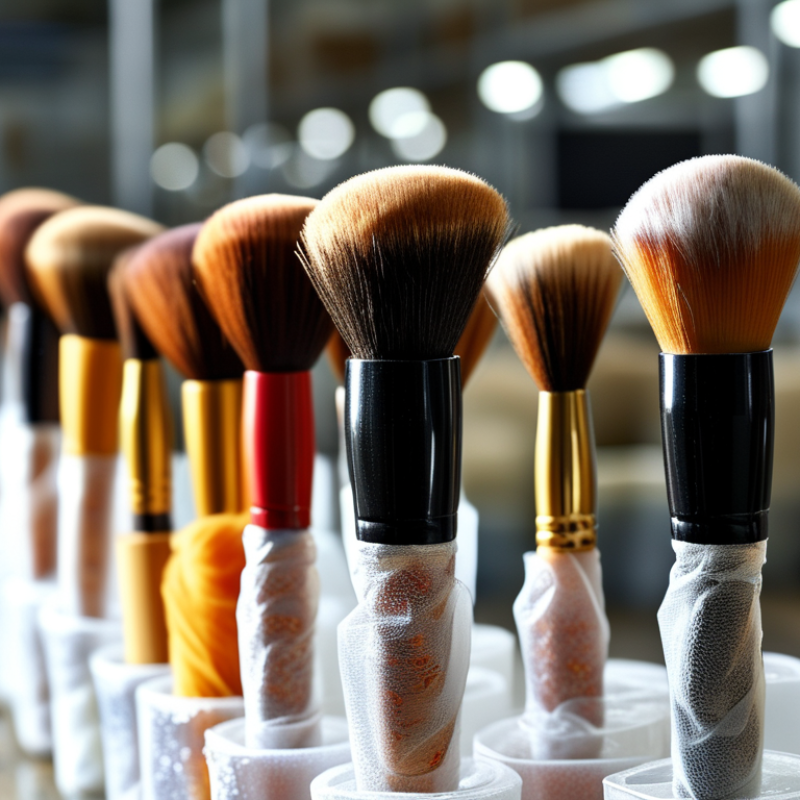
Why Do Makeup Brushes Smell Bad After Manufacturing?
What Causes Makeup Brushes to Develop an Odor After Manufacturing?
A makeup brush can smell because several materials release volatile compounds after production. Adhesives, dyes, synthetic fibers, and foam inserts may retain solvents or processing residues. Sealed plastic packaging can trap these vapors around the brush. The US Environmental Protection Agency reports that indoor VOC levels are often two to five times higher than outdoor levels. A closed package creates a similar small environment. The odor may become stronger after shipping through warm warehouses.
Moisture is another common cause. Brushes packed before complete drying can develop a damp, sour smell. Dust, skin oils, or organic residue may also support microbial growth. ISO 17516 sets quantitative microbiological limits for cosmetic products, although brushes require separate quality controls. Manufacturers should check moisture, odor, packaging VOCs, and microbial load before shipment. Simple airflow testing helps. So does controlled storage.
Not every smell means contamination. Some odors are temporary. Others reveal weak curing or poor packaging choices. This distinction matters. In my view, odor testing is sometimes treated as a cosmetic detail, rather than a production signal. That may be a mistake. A brush can look clean and still retain unwanted residues. However, odor alone cannot confirm a health risk. Laboratory testing and traceable batch records provide stronger evidence. Some assumptions need reconsideration.
Makeup brush odor usually comes from volatile residues, adhesives, synthetic fibers, packaging, moisture, or microbial growth. These factors can become more noticeable when brushes are sealed before they have fully aired out.
The 0–10 values are a non-brand-specific explanatory index showing the relative relevance of common odor mechanisms, not laboratory measurements or company data.
Solvents, processing agents, or finishing chemicals may remain on fibers and evaporate slowly after production.
Glue used to secure bristles can release noticeable odors, especially in warm or poorly ventilated packaging.
Trapped moisture can support microbial activity, creating sour, musty, or mildew-like odors.
A new makeup brush may smell like glue, plastic, paint, or a warm warehouse. The odor often comes from volatile organic compounds released by adhesives, coatings, dyes, and polymer filaments. Nylon and polyester fibers can retain small amounts of processing oils after heat treatment. Handle coatings may also release solvents while curing. Natural hair can carry a different scent from cleaning agents or protein-based residues.
Packaging can intensify the problem. A brush sealed in a plastic sleeve has little air exchange. Heat during storage makes evaporation faster. The U.S. Environmental Protection Agency reports that indoor VOC concentrations are often two to five times higher than outdoor levels, with temporary spikes after using emitting products. This does not prove a brush is unsafe. Odor alone is not a toxicology test.
Professional manufacturers can investigate smells through headspace sampling and gas chromatography–mass spectrometry, following recognized VOC testing approaches such as ISO 16000-6. They should also test adhesives, coatings, fibers, and packaging separately. The OECD’s Global Plastics Outlook reports that global plastic production reached about 460 million tonnes in 2019. That scale highlights why polymer additives deserve attention, even in small products. A weak point remains: many odor complaints are judged informally, using human noses instead of consistent thresholds. Better curing, longer ventilation, low-emission materials, and batch records can reduce surprises, but none removes the need for independent quality testing.
Why Do Makeup Brushes Smell Bad After Manufacturing?
A new makeup brush may smell because of residual processing materials. These can include adhesives, dyes, handle coatings, or fiber treatments. The odor is not always caused by the bristles themselves. I used to blame the fibers alone. That was too simple. In quality checks, the handle and packing materials often deserve equal attention. A sharp chemical smell may fade after airing, but a sour or damp odor needs closer inspection.
Moisture can make the problem stronger. Brushes packed before they are fully dry may trap humidity inside sealed plastic. Warm storage conditions then encourage odor-producing microbial activity. Cardboard cartons can also absorb moisture from warehouses or transport. Even a clean brush may smell stale after several weeks in a humid room. It happens quietly.
Packaging can concentrate volatile odors around the brush. Thin plastic sleeves provide little ventilation, especially when cartons sit near heat sources. Storage should be dry, cool, and away from direct sunlight. Open the package and let the brush breathe before use. Wash it with a mild cleanser, then dry it horizontally with airflow around the fibers. Do not hide a persistent odor with perfume. That approach can make evaluation harder. If the smell remains after cleaning and drying, document the batch details and contact the supplier for material or moisture testing. Smell alone cannot confirm contamination, but ignoring it is also a mistake.
A new makeup brush may carry a mild odor from adhesives, dyes, synthetic fibers, or protective packaging. This smell is often normal when it resembles fresh fabric, rubber, or faint solvent. It should weaken after the brush rests in a clean, ventilated room for one to three days. Open windows help. Avoid storing it in a sealed pouch during this period.
A concerning smell feels different. Notice a sharp chemical scent, sour odor, mildew, or a smell resembling rancid oil. Check the bristles and handle closely. Sticky residue, unusual discoloration, loose fibers, or cracked bonding deserve attention. Smell the dry brush first, then wash it with a gentle cleanser according to the care instructions. If the odor remains strong after drying, stop using it on the face and contact the seller or manufacturer for batch information.
Skin reactions provide another warning. Burning, itching, redness, or watery eyes should not be dismissed as normal “new product” effects. The smell alone does not prove toxicity, and this is where judgment can become imperfect. However, persistent odor combined with irritation is a stronger quality concern. A simple record can help: note the purchase date, storage conditions, washing method, and when the smell changed. One overlooked detail is moisture. A damp brush stored in closed packaging can develop an odor that manufacturing did not cause.
Freshly manufactured makeup brushes can carry a sharp “new product” smell. Adhesives, dyes, protective coatings, and sealed packaging may release odors during storage. Natural hair can also retain processing scents. The smell does not automatically mean the brush is unsafe, but it deserves attention.
I once made the mistake of spraying perfume onto a new brush. It smelled better briefly, then became more irritating. A gentle wash works better. Rinse the bristles with lukewarm water, keeping the handle and metal joint as dry as possible. Apply a small amount of fragrance-free soap, then massage the bristles softly from base to tip. Rinse until the water runs clear. Do not twist them.
Press the brushes in a clean towel and reshape the bristles. Let them dry horizontally in a well-ventilated room, away from direct heat. Never use bleach, strong solvents, or boiling water. They can weaken glue and damage fibers. Baking soda may absorb some odors, but I would avoid rubbing dry powder into soft bristles because residue can remain. If the odor stays strong after two or three washes, pause use. A sour, chemical, or burning smell is especially concerning. Record the batch details and contact the seller or manufacturer for material information. Also check the brush for shedding, sticky areas, discoloration, or skin irritation during a small test application. Fresh brushes should not make your eyes or skin sting.
| Possible Odor Source | Typical Signs | Recommended Action | Estimated Time | Important Precautions |
|---|---|---|---|---|
| Packaging and storage vapors | A plastic, cardboard, or closed-package smell that is strongest immediately after opening. | Remove all packaging and place the dry brush in a clean, shaded, well-ventilated area. | 12–48 hours | Do not leave the brush in direct sunlight or near heat sources. |
| Residual manufacturing materials | A chemical, solvent-like, or synthetic odor from the handle, ferrule, adhesive, or bristles. | Wash the bristles with lukewarm water and a mild, fragrance-free cleanser; rinse thoroughly. | 1–2 washes | Keep water below the ferrule to reduce the risk of loosening the adhesive. |
| Excess dye or finishing residue | A noticeable dye smell or slight color transfer during the first wash. | Rinse until the water runs clear, then repeat a gentle wash if needed. | 5–10 minutes per wash | Avoid bleach and harsh detergents, which may damage fibers or irritate skin. |
| Moisture trapped during storage | A musty or damp odor, especially from dense or tightly packed brush heads. | Wash the brush, squeeze out excess water with a clean towel, and dry it horizontally with airflow. | 24–48 hours to dry | Do not store or use the brush while damp; persistent mustiness may indicate contamination. |
| Natural odor from animal hair | A mild animal-like or wool-like smell that remains after airing. | Use a gentle cleanser suitable for delicate hair, rinse well, and allow complete air-drying. | 1–3 washes | Avoid hot water, vigorous rubbing, and high heat, which can deform or dry out natural hair. |
| Odor absorbed from surrounding products | A fragrance, oil, or cosmetic smell that transfers to the brush during storage. | Clean the brush separately and store it in a breathable, dry container away from strong fragrances. | 24–72 hours | Avoid sealing a brush in an airtight case until it is completely dry. |
| Persistent or irritating odor | Strong odor remains after washing and airing, or causes itching, redness, burning, or discomfort. | Stop using the brush, keep it away from the face, and contact the seller for a replacement or refund. | Immediately | Do not attempt to mask the odor with perfume or essential oils. |
Adhesives, dyes, coatings, and fiber treatments may release trapped vapors. The handle can contribute too. Not only the bristles.
Yes. Plastic sleeves can trap vapors around the brush. Warm warehouses may intensify the smell during shipping.
The brush may have been packed before drying completely. Humidity can support odor-producing microbial activity. It happens quietly.
No. Some odors fade after airing. A persistent sour smell needs closer inspection and testing.
Remove the packaging and place the brush in a dry, ventilated area. Keep it away from direct sunlight and heat.
Wash it with a mild cleanser. Dry it horizontally, with airflow around the fibers. Do not cover it while damp.
It may cover the smell temporarily. That makes evaluation harder. Cleaning is better.
Record the batch details and contact the supplier. Request material, moisture, packaging, or microbial testing. Smell alone proves little.
Use a cool, dry space away from heat sources. Keep cartons away from damp floors and humid areas.
They should check moisture, odor, packaging vapors, and microbial levels before shipment. Airflow testing can help. I underestimated this before.
Why do makeup brushes smell bad after manufacturing? Unwanted odors can come from residual adhesives, dyes, preservatives, synthetic fibers, or natural animal hair used during production. Some materials release a temporary “new product” scent, while incomplete rinsing may leave behind processing chemicals or cleaning agents. Although a mild smell can be normal, a strong, sour, oily, or chemical odor may indicate excess residue, poor drying, or unsuitable storage conditions.
Moisture trapped in the bristles, airtight packaging, high temperatures, and limited ventilation can make these smells more noticeable and may encourage microbial growth. To assess a brush, check whether the odor fades after airing and washing, and look for discoloration, stickiness, or visible residue. New brushes should be gently washed with mild soap, rinsed thoroughly, reshaped, and dried completely in an open, well-ventilated area. If the smell remains intense or causes skin irritation, the brush should not be used.
